Corroded Galvanized and Lead Supply Pipes
Galvanized steel supply pipes were the standard in residential construction through most of the mid-20th century. The problem is that galvanized pipe corrodes from the inside out. Over time, rust and mineral deposits build up inside the pipe walls, steadily shrinking the interior diameter and cutting water pressure to a trickle. If you’ve noticed that your shower loses pressure when someone flushes a toilet or runs the kitchen faucet, corroded galvanized supply lines are the likely culprit.
In homes built before 1986, the situation gets more serious. Lead was used in solder joints and, in some cases, in the pipes themselves. Lead doesn’t cause the same kind of visible pressure loss, but it leaches into drinking water silently. The EPA has confirmed that there is no safe level of lead exposure, particularly for children. If your home predates 1986 and has never had a full plumbing inspection, testing for lead is not optional — it’s a baseline responsibility.
Replacing supply lines during a bathroom remodel is one of the highest-value upgrades you can make in an older home. Modern copper or cross-linked polyethylene (PEX) tubing restores proper pressure, eliminates corrosion risk, and removes lead exposure from the equation entirely.
Aging Cast Iron Drain Lines
Most older Chicago homes were built with cast iron drain lines. Cast iron is durable — more durable than the plastic drain lines used in newer construction, honestly — but it isn’t immune to time. After 60 or 70 years, cast iron drain lines develop rust scale on the interior walls, which narrows the pipe and slows drainage. Slow-draining tubs and shower floors that pool water are the everyday symptom. Behind the walls, the picture is often worse.
Cast iron eventually rusts through entirely, creating pinhole leaks or full pipe failures inside wall cavities and under floors. By the time you see water staining on a ceiling below the bathroom, the damage is already significant. A camera inspection of the drain lines during a bathroom remodel gives you a clear picture of what’s actually there, and replacing compromised sections during demo — rather than after — saves serious money and disruption.
Exhaust Fans That Don’t Actually Exhaust
Older bathrooms in Chicago homes frequently have one of two ventilation problems: either no exhaust fan at all, or a fan that vents into the attic instead of to the exterior. Venting into the attic was a common practice for decades, and it’s a slow-motion disaster. Warm, humid air from showers gets pumped directly into an enclosed attic space, where it condenses on roof sheathing and framing. The result is mold, mildew, and structural wood rot — none of which is visible until it’s already become a major repair project.
A bathroom with no exhaust fan relies entirely on a window for ventilation, which doesn’t work in winter and doesn’t work at all if the window is small or painted shut. Persistent humidity warps vanity doors, peels paint, and feeds the kind of chronic mold growth that no amount of bleach spray permanently fixes. Proper ventilation — a correctly sized fan ducted to an exterior wall or roof cap — is a code requirement in virtually every jurisdiction for good reason. Any serious bathroom remodel addresses this from the start.
Subfloor Rot and Water Damage Around Tubs and Showers
Original tub and shower surrounds in older homes were often set with mortar beds and ceramic tile — solid construction that holds up well when the grout and caulk joints are maintained. The problem is that most of these bathrooms are now 50, 60, or 80 years old. Grout cracks. Caulk dries out and separates. Once water finds a gap at the tub-to-floor joint or at a grout line in the shower wall, it starts working its way into the subfloor and framing below.
Subfloor rot is one of the most common and most underestimated bathroom problems in older Chicago homes. Homeowners notice soft spots near the tub, a slight give in the floor, or discoloration around the base of the toilet — and assume it’s a surface issue. It rarely is. By the time the floor feels soft underfoot, the OSB or plywood subfloor is often compromised across a wide area, and the framing joists below may be damaged as well. Replacing a rotted subfloor adds cost to a remodel, but leaving it in place and tiling over it isn’t a solution — it just delays a bigger, messier repair.
Outdated and Ungrounded Electrical Wiring
Bathroom electrical in older Chicago homes is frequently a two-problem situation: ungrounded wiring and no GFCI protection. Homes built before the late 1960s typically used two-wire systems without a ground conductor. That’s a safety gap in any room, but in a bathroom — where water and electricity share close quarters — it’s a genuine hazard. A ground fault near a sink or tub can cause a serious or fatal electric shock if there’s no ground path and no GFCI protection to interrupt the circuit.
GFCI outlets and breakers became required in bathroom circuits under the National Electrical Code in 1975, but millions of homes haven’t been updated since. The Electrical Safety Foundation International notes that GFCIs can reduce electrocution risk by more than 80 percent in areas near water. A bathroom remodel that opens walls and replaces fixtures is the right time to bring the electrical up to current standards — adding grounded wiring, GFCI protection, and dedicated circuits where required by code.
Cramped Layouts That Limit What a Refresh Can Fix
Chicago bungalows and two-flats are beloved for a lot of reasons, but generous bathroom square footage isn’t one of them. The original bathrooms in these homes were designed around the plumbing fixtures of the era — a 5-foot tub, a pedestal sink, and a toilet — squeezed into roughly 35 to 45 square feet. That worked in 1930. It works less well for a household in 2025 with modern storage expectations and accessibility needs.
The layout problem matters because it sets a hard ceiling on what cosmetic updates can accomplish. New tile and a fresh vanity make a small bathroom look cleaner, but they don’t add usable space, fix door swing conflicts, or improve storage. If the existing layout doesn’t work for how you actually use the room, a surface refresh just produces a prettier version of the same frustration. Real layout changes — moving a wall, relocating a fixture, reconfiguring the door — require opening the room up, which is exactly what a full remodel does.
The Asbestos Question in Pre-1980s Tile and Flooring
Before any demolition begins in a bathroom that hasn’t been touched since the 1970s or earlier, asbestos testing is a necessary first step. Asbestos was commonly used in floor tile, the black mastic adhesive used to set floor tile, ceiling texture, and some wall materials through the late 1970s. The material itself isn’t dangerous when it’s undisturbed and intact. The problem comes during demolition, when tiles get chipped or mastic gets scraped — both of which release asbestos fibers into the air.
Testing is straightforward: a certified inspector takes small samples from suspect materials and sends them to a lab. If asbestos is present, an abatement contractor removes the material safely before the remodel proceeds. Skipping this step and discovering asbestos mid-demo forces a work stoppage and an emergency abatement — which costs significantly more than a proactive test. Any reputable contractor working in older Chicago homes factors asbestos testing into the pre-construction process as standard practice.
Why a Full Remodel Fixes These Problems at the Source
The bathroom problems older Chicago homes accumulate over decades aren’t independent of each other — they’re connected. Corroded pipes, failed waterproofing, poor ventilation, and subfloor rot are all part of the same cycle of aging and deferred maintenance. Addressing one while ignoring the others just means the untouched problems continue developing behind new tile.
A full bathroom remodel opens the room to its structural layer. That’s when corroded supply lines get replaced, drain lines get inspected, subfloor damage gets repaired, proper ventilation gets installed, and electrical gets updated to code — all before a single new tile goes on the wall. The result isn’t just a bathroom that looks better. It’s a bathroom that works correctly, meets current safety standards, and won’t develop the same set of problems again in five years.
Cosmetic refreshes have their place in newer homes where the underlying systems are sound. In an older Chicago home, they’re often just a way of painting over a problem. If your bathroom was original to the house and has never been fully renovated, there’s a strong chance it needs more than new fixtures — and knowing that before you start is what keeps a remodel on budget and on track.
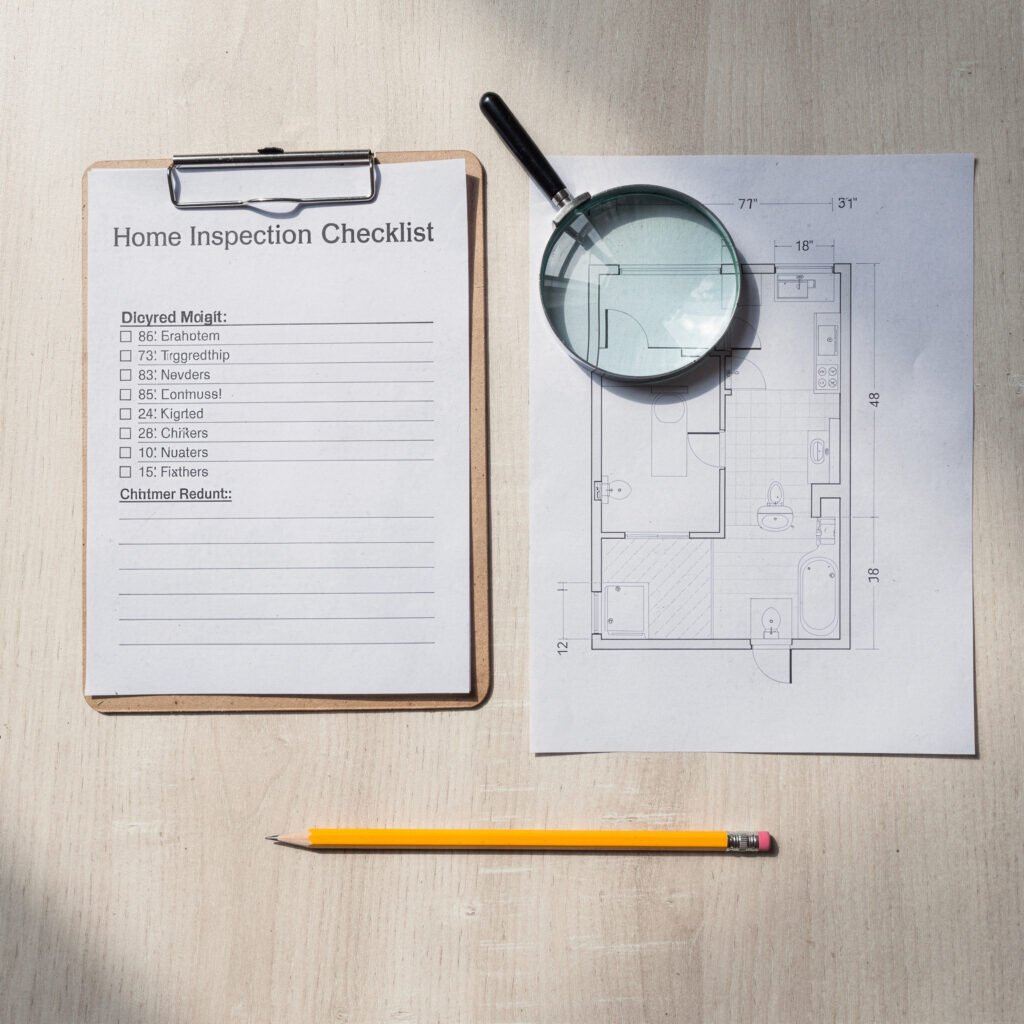
The bathroom problems older Chicago homes develop are predictable, structural, and fixable — but only if they’re actually addressed rather than concealed. Corroded pipes, deteriorating drain lines, failed waterproofing, inadequate ventilation, and outdated electrical aren’t cosmetic issues. They’re infrastructure issues, and treating them cosmetically guarantees they’ll resurface.If you own a Chicago bungalow, a two-flat, or any prewar home in the suburbs, the right question before any bathroom project isn’t ‘what do I want it to look like?’ — it’s ‘what’s actually going on behind the walls?’ That question changes the scope of the project and the budget conversation, but it also changes the outcome. A bathroom that’s been fully remodeled from the substrate up performs differently than one that’s been refreshed over a compromised foundation.Starting with a thorough assessment — plumbing condition, electrical, ventilation, subfloor integrity, and asbestos testing if the home predates 1980 — gives you an honest picture of what the project actually involves. That’s the only way to plan a remodel that solves the real problems instead of scheduling the same conversation again in a few years.