What a Big-Box Installation Package Actually Includes
Big-box retailers like Home Depot and Lowe’s partner with third-party installation networks to offer bundled shower, tub, and vanity packages. The appeal is obvious: one price, one call, done. But these programs are designed around standardized products and fast installs, not custom work.
Most packages cover removal of the existing fixture, installation of a prefabricated unit, and basic reconnection of plumbing. What they don’t typically cover: waterproofing upgrades, tile work beyond the unit itself, subfloor repairs, fixture upgrades, or anything that deviates from the standard configuration. If a plumber finds corroded pipes or a rotted subfloor during demo, that’s almost always a separate charge — and it catches homeowners off guard.
The installers themselves are subcontractors hired through a third-party network. Quality varies significantly by market and availability. The retailer is not the contractor; they’re the middleman.
Why Labor Costs More With a Local Contractor
A licensed, insured remodeling contractor carries overhead that a subcontractor network doesn’t: workers’ compensation insurance, general liability coverage, licensing fees, permitting costs, and ongoing training. These aren’t padded costs — they’re legal requirements that protect the homeowner if something goes wrong on the job.
Local contractors also employ or directly oversee their crews. When a tile setter, plumber, and carpenter are working in the same bathroom, someone has to coordinate that schedule so work happens in the right order. That project management is built into the cost. At a big-box level, coordination is minimal because the scope is minimal.
Skilled labor has also gotten more expensive across the board. Bureau of Labor Statistics wage data from 2024 shows construction and extraction occupations averaging over $60,000 annually, with specialty trades like plumbers and electricians running considerably higher. A contractor pricing labor honestly reflects the actual market rate for experienced tradespeople.
Material Quality Is Not the Same
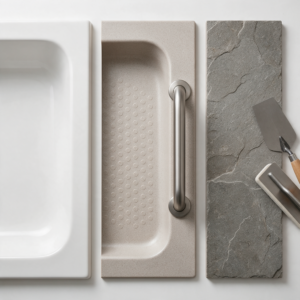
Prefabricated acrylic shower surrounds are the standard in big-box installation packages. They’re lightweight, quick to install, and inexpensive. They’re also prone to cracking, discoloration, and mold accumulation along the seams over time. For a rental property or a temporary fix, they’re adequate. For a bathroom you plan to use for the next 15 years, they’re a compromise.
A full-service remodel gives you access to porcelain tile, natural stone, solid-surface materials, and custom glass enclosures. These materials cost more upfront, but they hold up longer, clean more easily, and look better doing it. A contractor sourcing materials at wholesale also often delivers better product for a comparable retail price — the markup structure is different from what a homeowner pays off the shelf.
The fixtures matter too. Faucets, showerheads, and hardware sold through big-box packages are almost always builder-grade — functional, but not built for longevity. Contractor-grade fixtures from manufacturers like Kohler, Moen, or Delta Pro carry longer warranties and tighter tolerances.
The Hidden Costs That Surface During Demo
This is where bathroom remodel cost surprises come from, regardless of who does the work. Once you open up a wall or pull up a floor, you find out what’s really there. Mold behind tile. Corroded copper or galvanized pipes. Subfloor damage from years of slow leaks. Outdated wiring near the vanity that doesn’t meet current code.
A big-box installation program is not set up to handle these discoveries. The installer documents the issue, stops work, and the homeowner scrambles to find a separate contractor to fix it before the install can continue. The original quote is essentially paused while costs climb.
A full-service remodeling contractor handles all of it in-house or through established subcontractor relationships. Plumbing issues, waterproofing, subfloor repairs — these get addressed as part of the project, not as emergency add-ons that derail the timeline. It’s not that the problems cost less; it’s that the process is managed instead of abandoned mid-job.
Permits and Code Compliance
Most bathroom remodels involving plumbing or electrical work require permits. In Arlington Heights and throughout Cook County, this means inspections at multiple stages of the project. A licensed contractor pulls those permits, schedules inspections, and ensures the work passes. The permit process protects the homeowner — it’s documentation that the work was done to code.
Big-box installation programs frequently skip permits on work that technically requires them, because pulling permits adds time and cost to a model built on speed and margin. Unpermitted work creates real problems: difficulty selling the home, liability if something fails, and potential requirements to redo the work before a real estate transaction can close.
Warranties: What’s Actually Backed
A prefab shower package from a retailer typically carries a manufacturer warranty on the unit itself, and a separate limited labor warranty through the installation network. If the installer’s workmanship is the issue — improper waterproofing, bad caulk lines, a loose drain connection — navigating that warranty claim involves the retailer, the third-party installer network, and possibly the manufacturer. It’s not simple.
A local contractor stands directly behind their work. One call, one point of contact, one accountable party. Many established remodeling companies back their labor for one to two years, and quality contractors know their reputation depends on how they handle problems after the job is done.
Design and Customization Have Real Value
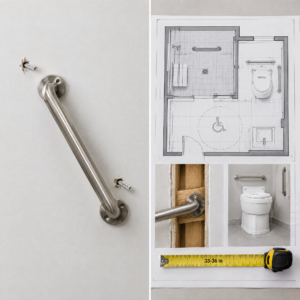
Big-box packages offer limited configurations. You pick from what’s available, fit it into your existing layout, and work within whatever dimensions the product comes in. If your bathroom is an odd size, has a sloped ceiling, or needs an accessibility feature like a zero-threshold shower or grab bar reinforcement, the standard package doesn’t solve the problem.
A full remodel starts with what you actually need. ADA-compliant features, custom tile patterns, built-in niches, heated floors — these are design decisions that a contractor executes to your spec. That flexibility has a cost, but it also means the finished bathroom works for your life, not just for a product catalog.
How to Evaluate Whether a Quote Is Fair
A higher bathroom remodel cost isn’t automatically justified. There are contractors who overbid, oversell, and underdeliver just like there are big-box programs that do decent work on straightforward jobs. The question is whether the price reflects the scope and quality being offered.
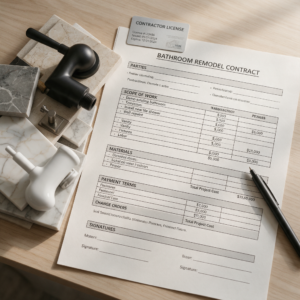
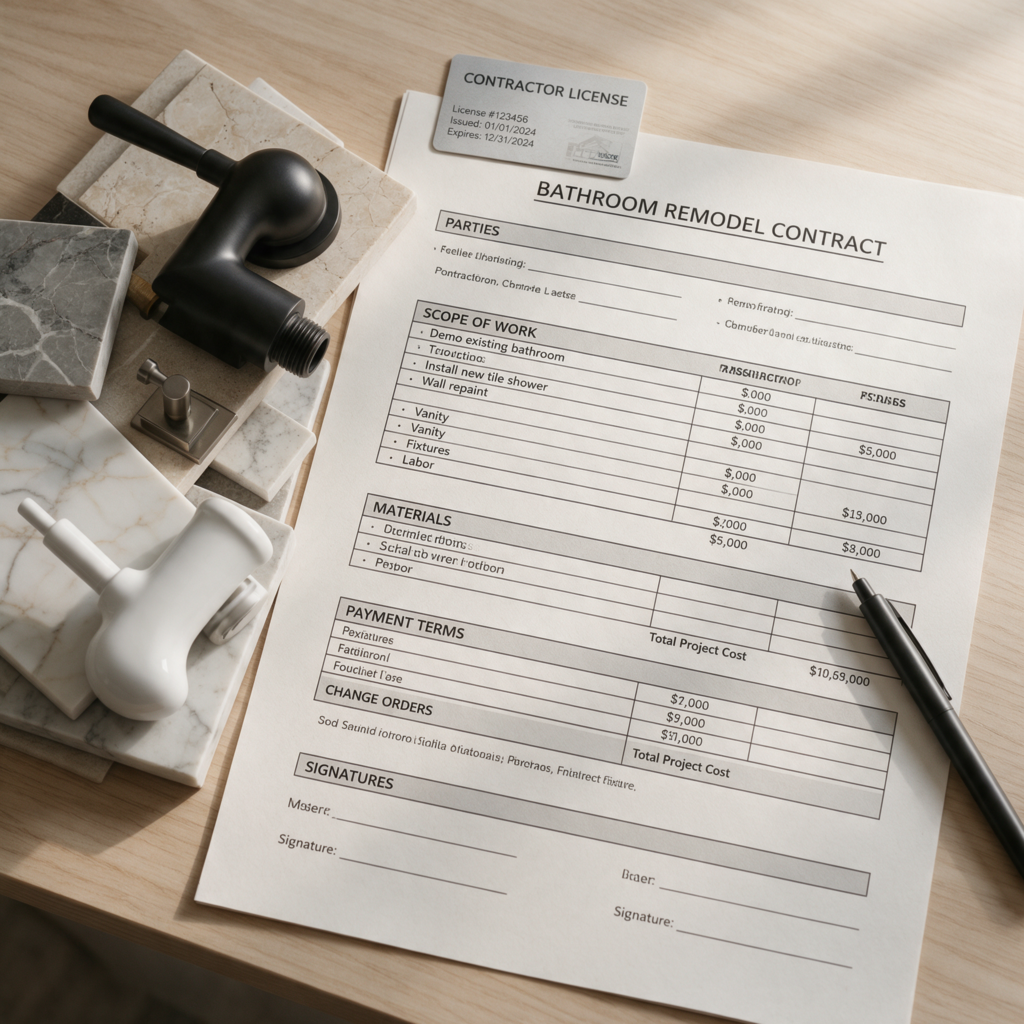
Ask for an itemized breakdown. Labor, materials, permits, demo disposal — all of it should be line-itemed. Ask about subcontractors and whether they’re licensed and insured. Ask what happens if something unexpected comes up behind the wall. A contractor who answers these questions clearly and specifically is showing you how they work. One who hedges or stays vague on the details is showing you something too.
- Verify the contractor’s license with your state licensing board
- Confirm general liability and workers’ compensation insurance are current
- Ask for references from projects with similar scope and budget
- Get at least two quotes before committing to either end of the price range
The gap in bathroom remodel cost between a big-box installation and a full-service contractor reflects genuine differences — in materials, labor quality, project management, and what’s included when things don’t go as planned. Neither option is automatically right or wrong. A prefab shower install makes sense in some situations. But for a bathroom you’re investing in for the long term, the lower upfront price often costs more by year three or five when materials degrade, workmanship issues surface, or unpermitted work creates problems.Knowing what drives cost is the best way to evaluate any quote you receive. An itemized proposal from a contractor who explains their numbers is worth more than a low package price that leaves out the hard questions. Ask what’s included, what’s not, and what happens if the unexpected shows up once demo starts.The best remodeling projects happen when homeowners go in informed. Price is one factor. Scope, quality, accountability, and longevity are the others — and they matter just as much when you’re writing the check and even more when you’re living with the result five years later.