Why Arlington Heights Homeowners Are Remodeling in 2026
Several forces are driving bathroom renovation activity across the northwest suburbs right now. Many homes in Arlington Heights were built in the 1970s through 1990s, and those original bathrooms — with their fiberglass tubs, dated tile, and cramped layouts — are simply overdue for an upgrade. Add in the fact that homeowners who stayed put during the recent real estate slowdown are now investing in their existing homes rather than buying new, and you have a market that’s genuinely busy.
There’s also a demographic shift happening. Arlington Heights has a significant population of homeowners over 60, many of whom want to age in place comfortably. That means accessibility is no longer a niche concern — it’s one of the primary drivers behind bathroom remodeling projects across Cook County and the surrounding suburbs.
Finally, post-pandemic habits changed how people think about home. Bathrooms that once felt like purely functional spaces are now expected to serve as personal retreats. Heated floors, frameless walk-in showers, and spa-style fixtures aren’t luxury indulgences anymore — they’re mainstream requests at the initial consultation stage.
Most Popular Bathroom Remodeling Projects in Arlington Heights
Tub-to-Shower Conversions
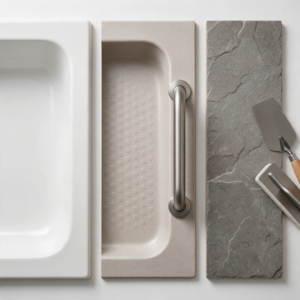
This is the single most requested project for homeowners in their 40s and beyond. Standard bathtubs take up significant square footage and go unused by most adults on a daily basis. A tub-to-shower conversion in Arlington Heights replaces that dead space with a walk-in shower that’s easier to use, easier to clean, and far more visually appealing. Solid-surface shower walls and large-format porcelain tile have made these conversions faster to install and more durable than older systems.
Keep in mind that if your home has only one bathroom, most remodelers — and some local codes — will require you to retain at least one tub. That’s a conversation worth having early with your contractor.
ADA Bathroom Remodeling and Accessibility Upgrades
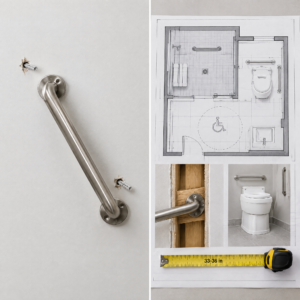
Walk-in showers with zero-threshold entries, grab bars, comfort-height toilets, and wider doorways aren’t just for people with disabilities. They’re smart design choices for anyone who plans to stay in their home long-term. ADA bathroom remodeling in Arlington Heights has grown substantially as more homeowners plan ahead for aging in place rather than reacting to a mobility event after the fact.
The National Institute on Aging recommends that aging-in-place modifications be made before they become necessary, when there’s more time to plan and budget thoughtfully. Grab bars installed during a full remodel cost a fraction of what they cost as standalone add-ons later.
Complete Bathroom Renovations
Some bathrooms are simply beyond the point of a cosmetic refresh. When the layout is inefficient, the plumbing is outdated, or the waterproofing has failed behind the walls, a full gut renovation is the right call. These projects involve removing everything down to the studs, addressing any structural or plumbing issues, and rebuilding from scratch. The result is a bathroom that functions exactly the way you want and is built to last another 20 to 30 years.
Bathroom Remodeling Cost in the Chicago Suburbs
Cost is almost always the first question homeowners ask — and rightfully so. According to HomeAdvisor’s 2024 bathroom remodeling cost data, the national average for a bathroom remodel ranges from $6,500 to $15,000 for a mid-range project, with full renovations in higher-cost metro areas like Chicago running $20,000 to $45,000 or more depending on scope.
In Arlington Heights specifically, a few factors push costs toward the higher end of that range: labor costs in Cook County, permit fees, and the premium materials that make sense in Illinois’ climate (more on that below). Here’s a rough breakdown of what you can expect:
- Basic refresh (fixtures, vanity, flooring): $5,000–$12,000
- Mid-range remodel (new shower, tile, vanity, lighting): $15,000–$28,000
- Full gut renovation (layout changes, plumbing, everything new): $30,000–$55,000+
- Tub-to-shower conversion: $4,000–$12,000 depending on materials
- ADA accessibility upgrade package: $6,000–$20,000
For a detailed breakdown of what drives bathroom remodeling cost in this area, the bathroom remodeling cost guide covers materials, labor, and how to evaluate quotes from multiple contractors.
Why Material Quality Matters More in Illinois
Illinois has a punishing climate. Summers are hot and humid; winters are cold and dry. That seasonal swing — combined with the natural humidity of a bathroom — creates real stress on materials that aren’t up to the job. This is one reason that premium materials aren’t just an aesthetic upgrade in this market. They’re a practical investment.
Porcelain tile outperforms ceramic in freeze-thaw conditions and holds up better to the temperature and humidity swings that are common in Illinois homes. It’s denser, less porous, and far more resistant to cracking and moisture absorption over time.
Quartz countertops are non-porous, so they don’t harbor bacteria or absorb moisture the way natural stone can. In a bathroom that sees daily steam and water exposure, that matters more than most homeowners realize until they’ve dealt with a stained or damaged vanity top.
Solid-surface shower walls eliminate the grout lines that collect mold in humid Illinois summers. Systems like these are faster to install than full tile and, when done correctly, create a completely watertight enclosure that’s simple to clean and maintain for decades.
High-quality fixtures — from faucets to showerheads to valves — also make a measurable difference. Cheaper fixtures use thinner metal components that corrode faster in areas with hard water, which is common throughout the Chicago suburbs. Investing in quality hardware upfront prevents replacement costs within five years.
Illinois Bathroom Remodeling Permit Requirements
Permits aren’t optional, and skipping them creates real problems — both with inspectors and with future buyers during a home sale. In Illinois, permit requirements for bathroom remodels are governed at the local municipality level, which means Arlington Heights has its own rules that differ slightly from neighboring towns.
Generally speaking, you’ll need a permit for any project that involves moving or adding plumbing, relocating electrical outlets or fixtures, changing the bathroom’s layout, or making structural changes. Cosmetic work — swapping a vanity, replacing a toilet with the same rough-in dimensions, or updating light fixtures without moving wiring — typically doesn’t require a permit. But the line between what requires a permit and what doesn’t isn’t always obvious.
The Village of Arlington Heights Building Division handles permit applications and inspections locally. Processing times, fees, and inspection requirements are all outlined in their current guidelines. For a full breakdown of what triggers a permit requirement and how to navigate the process, the bathroom remodel permit Illinois guide is a useful starting point before your project gets underway.
A reputable contractor handles permit applications on your behalf as part of the project — if a contractor suggests skipping permits to save time or money, that’s a red flag worth taking seriously.
Choosing the Right Bathroom Remodeling Contractor in Arlington Heights
Not every contractor who answers the phone is the right fit for your project. Experience with the specific type of work you need matters. A contractor who specializes in bath-to-shower conversions and ADA upgrades brings a different skill set than one whose primary focus is kitchen renovations.
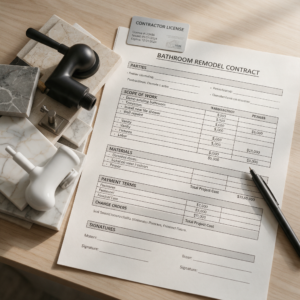
Ask for references from projects completed in Arlington Heights or the immediate suburbs. Check that they’re licensed with the State of Illinois and properly insured. Request a detailed written scope of work — not just a ballpark estimate — so you know exactly what’s included and what isn’t. And get at least two quotes, but don’t automatically choose the lowest one. Unusually low bids almost always mean corners will be cut somewhere.
The bathroom remodeling Arlington Heights service page outlines how Direct Remodeling approaches projects from initial consultation through the final walkthrough, including what homeowners can expect at each stage of the process.
Bathroom remodeling in Arlington Heights is a meaningful investment — in your home’s value, in your daily comfort, and in your long-term ability to live safely in the space. The projects driving most of 2026’s remodeling activity range from straightforward tub-to-shower conversions to full gut renovations, and cost ranges vary widely based on scope, materials, and whether the project requires permit work.The biggest mistake most homeowners make is underestimating the importance of material quality and proper permitting. Cutting corners on either one creates problems that are expensive to fix later. Premium tile, solid-surface shower systems, and quality fixtures aren’t upsells — they’re the difference between a bathroom that holds up for 20 years and one that needs attention again in five.If you’re planning a project for 2026, start the conversation early. Good contractors in the Chicago suburbs book out further than most homeowners expect, especially for full renovations. Getting on the schedule in late winter or early spring means your project can be designed, permitted, and completed before summer.