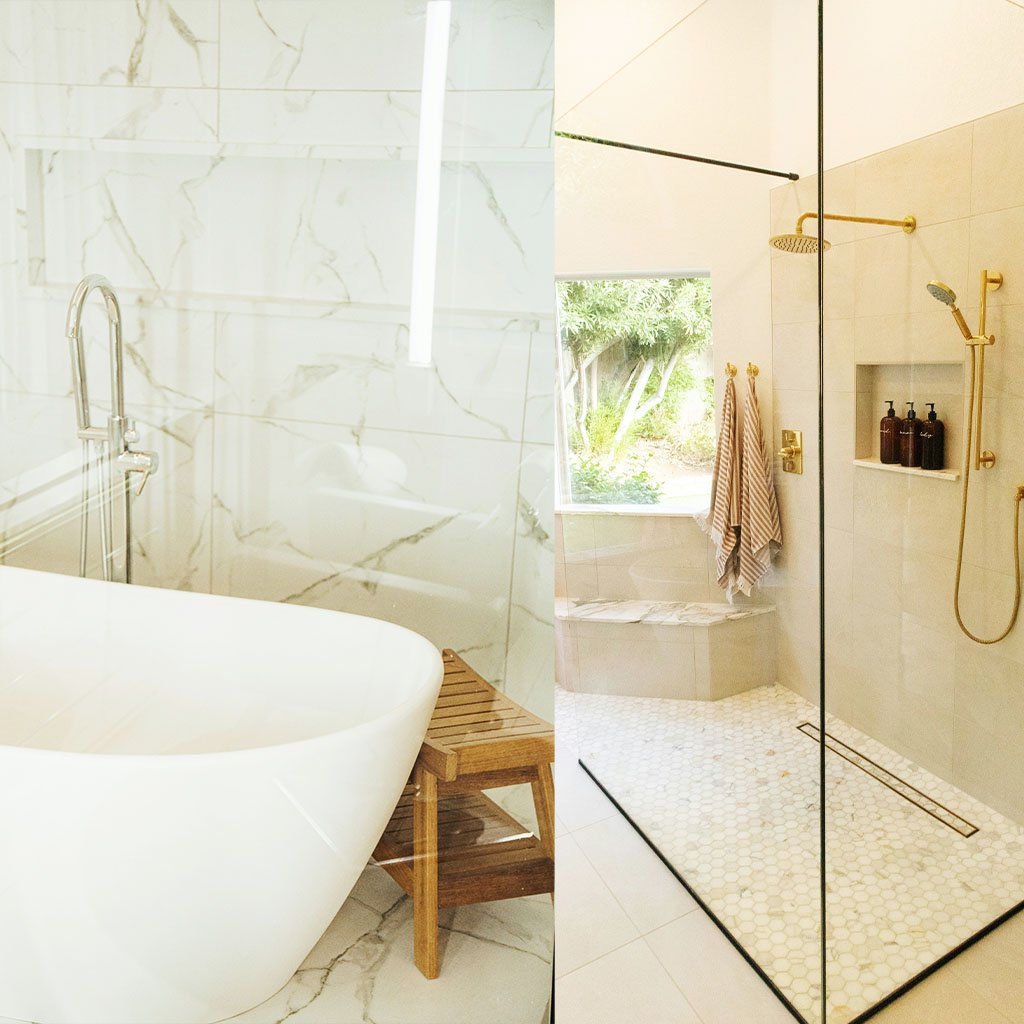
If you’re considering upgrading your bathroom, one of the most popular renovations today is replacing an outdated bathtub with a modern walk-in shower. Not only does this improve functionality and accessibility, but it can also increase your home’s value and make your space feel significantly larger.
But how much does a tub-to-shower conversion cost in Chicago?
The answer isn’t one-size-fits-all. Costs can vary widely depending on materials, labor, and whether plumbing changes are required. In 2026, most homeowners in Chicago spend anywhere from $1,800 to $18,000 or more, with mid-range projects typically falling between $8,500 and $15,000.
Understanding what drives these costs—and how to plan for them—can help you make a smarter investment and avoid unexpected surprises during your renovation.
Average Tub-to-Shower Conversion Cost in Chicago
The cost of a tub-to-shower conversion in Chicago depends largely on the level of customization you choose. For a basic prefabricated shower installation, homeowners can expect to pay between $9,000 and $15,000, making it one of the most affordable bathroom upgrades available.
However, most projects fall into the mid-range category, where homeowners typically invest between $8,500 and $15,000 for a professionally installed tile shower with upgraded finishes.
For high-end conversions that include luxury materials like custom tile, frameless glass enclosures, and built-in features, costs can exceed $18,000 and even reach $30,000+ depending on the complexity of the project.
On average, many homeowners in the Chicago area spend around $8,500 for simpler conversions, especially when using prefabricated systems and minimal plumbing changes. (tradesprohub.com)
Why Chicago Costs Are Higher Than Average
One important factor to understand is that Chicago renovation costs are typically higher than the national average. In many cases, homeowners pay 15–20% more due to local conditions.
This increase is driven by several factors. First, labor costs in major metropolitan areas like Chicago are higher due to demand and licensing requirements. Second, permits are often required for plumbing work, which adds both time and cost to the project. Finally, many Chicago homes are older, meaning contractors may need to update outdated plumbing systems or address structural issues during the renovation.
Bathroom Remodeling Costs in Chicago’s Northwest Suburbs
Homeowners searching for a “bathroom remodel near me” in Arlington Heights and Chicago’s northwest suburbs should expect local property conditions to influence the final cost. Older homes in Arlington Heights, Mount Prospect, Des Plaines, and nearby communities may have outdated plumbing, uneven subfloors, or hidden moisture damage that becomes visible during demolition. Village permits, drain relocation, custom glass measurements, and condo or HOA requirements can also increase labor costs or extend the project timeline. An on-site evaluation is the most reliable way to receive an accurate estimate.
Cost Breakdown: Where Your Money Goes
To better understand your investment, it’s helpful to break down where your money is actually going during a tub-to-shower conversion.
A significant portion of the cost goes toward materials. For example, tile can range anywhere from $12 to $120 per square foot, depending on quality and design, while more budget-friendly options like acrylic or fiberglass panels are much more affordable.
Labor is typically the largest expense, often accounting for 40% to 65% of the total project cost, especially when demolition, installation, and finishing work are involved.
Plumbing is another key cost factor. If your contractor can keep the existing plumbing layout, you may only spend $500 to $2,500. However, relocating pipes or drains can significantly increase your budget.
Additional costs include permits, which usually range from $100 to $800, and demolition or debris removal, which can add another $300 to $800 depending on the project size.
Key Factors That Affect Tub-to-Shower Conversion Cost
Several important variables can influence the final price of your project. One of the biggest factors is the type of shower you choose. Prefabricated shower systems are the most cost-effective option, while custom tile showers with luxury finishes can significantly increase your investment.
Bathroom size also plays a role. In Chicago, bathrooms tend to be smaller—averaging around 40 square feet—which can limit design options but also reduce material costs. Another major factor is plumbing. Keeping the existing layout is one of the easiest ways to save money, while moving drains or water lines can add $1,500 to $4,000 to your project.
For condo owners, additional costs may apply due to HOA requirements, restricted work hours, and building logistics. These can increase project costs by 15% to 25% in some cases.
Project pricing can also vary based on existing plumbing, wall repairs, accessibility features, and local labor costs. Homeowners can learn more about planning a tub to shower conversion in Arlington Heights based on their bathroom’s specific layout and safety needs.
Return on Investment (ROI) and Value
A tub-to-shower conversion isn’t just a cosmetic upgrade—it’s also a smart financial decision. In Chicago, these projects typically deliver a return on investment of around 70% to 75%, making them one of the more valuable bathroom upgrades.
In terms of resale value, homeowners can expect to add approximately $6,000 to $11,250 to their property after completing the conversion.
Additionally, modern bathrooms help homes sell faster. Some data suggests properties with updated bathrooms can sell in as little as 21 days in competitive markets.
Beyond resale value, there are practical benefits as well. Converting a tub to a shower can increase usable bathroom space by up to 30%, improve accessibility, and reduce water usage—saving homeowners an estimated $180 to $240 per year on utility bills.
How Long Does a Tub-to-Shower Conversion Take?
One of the biggest advantages of a tub-to-shower conversion is the relatively short timeline. Most projects in Chicago can be completed in about 5 to 7 days, depending on complexity.
However, if permits or HOA approvals are required, the total timeline can extend by 1 to 3 weeks. Unexpected issues—such as hidden plumbing problems or structural repairs—can also cause delays.
How to Save Money on Your Conversion
If you’re working with a budget, there are several ways to reduce costs without sacrificing quality. Keeping your existing plumbing layout is one of the most effective strategies, as it avoids expensive pipe relocation.
Choosing prefabricated shower systems instead of custom tile designs can also significantly lower material and labor costs. Additionally, getting multiple quotes from contractors can help you find competitive pricing.
Scheduling your renovation during off-peak seasons may also lead to better rates, as contractors are often more flexible when demand is lower.
Conclusion
A tub-to-shower conversion in Chicago can range widely in cost, but most homeowners can expect to spend between $9,500 and $15,000 for a high-quality, mid-range project. While basic upgrades can cost much less, and luxury renovations much more, the final price ultimately depends on your design choices, materials, and project complexity.
With strong ROI, improved functionality, and modern appeal, this upgrade is one of the smartest bathroom investments you can make. The key is understanding your options, planning your budget carefully, and working with experienced professionals to ensure the best results.
If you’re considering a tub-to-shower conversion, getting a personalized quote is the best way to determine the exact cost for your space—and to start transforming your bathroom into something that truly works for your lifestyle.