Stepping onto a cold tile floor at 6 a.m. in January is a uniquely unpleasant Illinois experience. If you have ever pulled your feet back under the covers rather than face that shock, you already understand the appeal of radiant floor heating. Heated bathroom floors have moved from luxury-home feature to a realistic upgrade for everyday remodels — but the questions homeowners ask us most often are the same: What does it actually cost? Will it raise my electric bill by a painful amount? And is it genuinely worth doing, or just a nice idea on paper?The honest answer is that is a comfort upgrade first and foremost. It is not an energy-saving device, and it does not pay itself back through lower utility bills. What it does is make a cold-weather bathroom noticeably more comfortable, and in a climate like ours — where temperatures stay below freezing for weeks at a stretch — that comfort has real daily value. Whether that value justifies the upfront investment depends on your bathroom, your budget, and how you actually use the space.This guide covers electric radiant systems specifically, since those are the practical choice for most bathroom remodels in the Chicago suburbs. We will walk through real installed costs, realistic monthly operating figures, which homeowners benefit most, and a few things to sort out with your local building department before any work begins.
How Electric Radiant Floor Heating Works
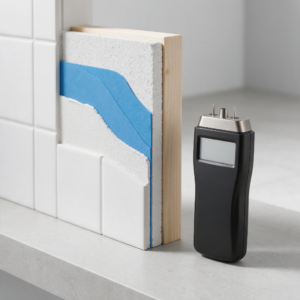
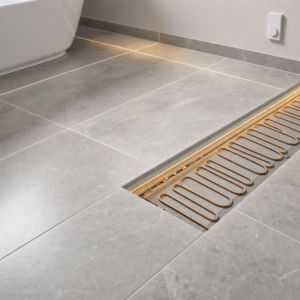
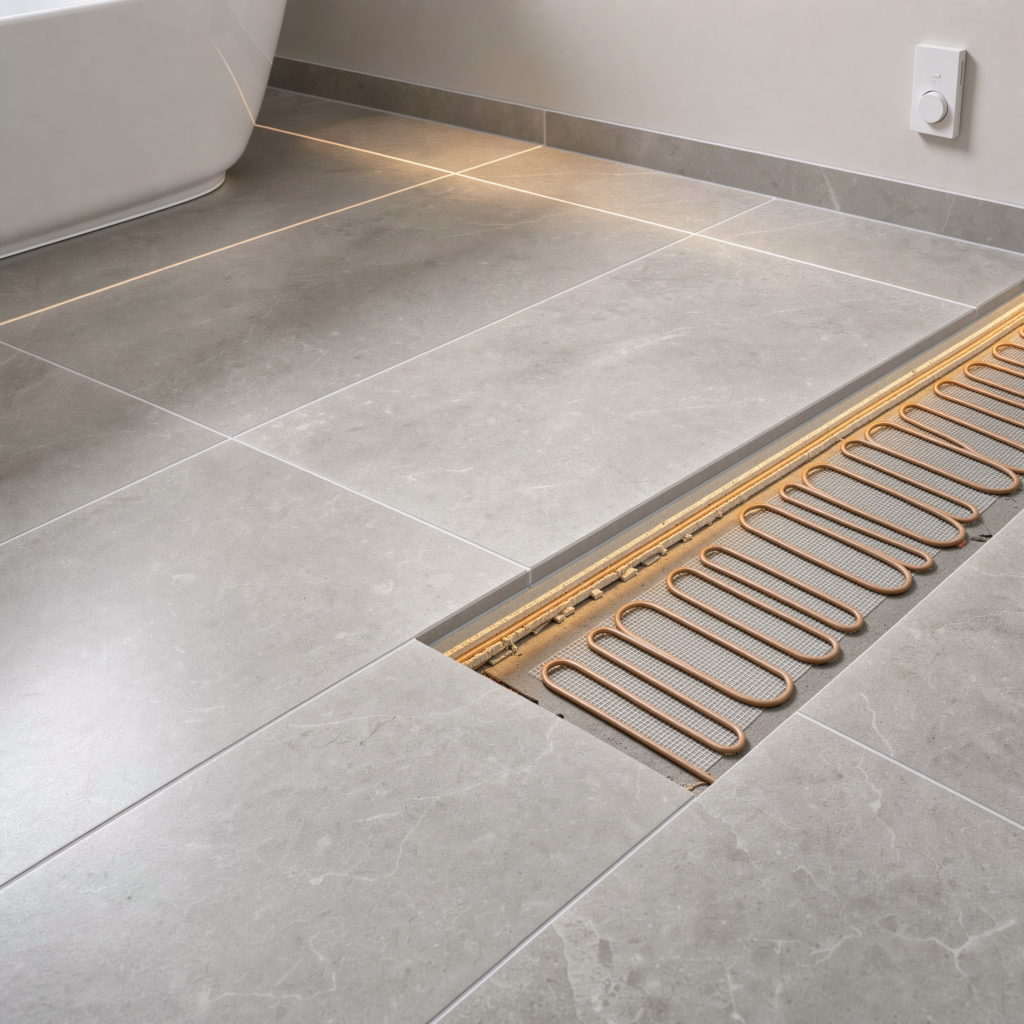
Electric radiant systems use thin heating cables or a mat embedded in the floor assembly, typically beneath ceramic or porcelain tile. A thermostat — usually a programmable or smart model — controls when the system runs. You set it to warm the floor before you wake up, and it shuts off after your morning routine. There is no separate mechanical system, no boiler, no plumbing tie-in. The installation happens during the tile-setting phase of a bathroom remodel, which is why it is easiest and least expensive to add during a full renovation rather than as a standalone retrofit.
The heating element sits in the mortar bed beneath the tile. Most systems reach comfortable surface temperatures in 30 to 60 minutes, so a programmable thermostat is not optional — it is how you make the system practical. Running it only during the hours you actually use the bathroom is also how you keep operating costs reasonable.
What Heated Bathroom Floors Cost to Install in Illinois
Installation pricing varies based on room size, floor configuration, and whether the subfloor requires a waterproofing or uncoupling membrane. For a standard dry-area bathroom floor, electric radiant systems run roughly $5 to $15 per square foot installed, materials and labor combined. Wet areas — shower floors, for instance — require an additional waterproofing membrane, which pushes costs to $15 to $20 per square foot in those zones.
For a 50-square-foot bathroom, you are looking at somewhere between $400 and $1,000 on the lower end of estimates. Full bathroom projects — where heated floors are part of a broader tile and fixture renovation — commonly run $2,000 to $9,000 depending on scope, materials selected, and labor rates in your specific suburb. Those ranges reflect real market variation; a quote in Arlington Heights will differ from one in a neighboring village based on contractor overhead, permit fees, and the complexity of the existing floor assembly.
Get at least two or three local quotes. Pricing from national aggregator sites rarely reflects what licensed contractors in Cook County actually charge, and the difference between a low estimate and an accurate one can be significant.
What It Actually Costs to Run Each Month
This is where a lot of online information overstates the expense. A single bathroom with electric radiant heating, run for a few hours a day during the heating season, adds roughly $7 to $30 per month to your electric bill. The spread is wide because it depends on three variables: the square footage of the heated area, how many hours per day the system actually runs, and the kilowatt-hour rate your utility charges.
ComEd rates in the Chicago suburbs change periodically, so rather than quoting a number that goes stale, check your most recent electric bill for your current rate per kWh. Once you have that figure, a radiant mat manufacturer’s wattage rating and a simple online calculator will give you a personalized monthly estimate in about two minutes. That exercise is more useful than any average you will read online.
For context, a typical Illinois household electric bill runs somewhere between $90 and $250 per month depending on home size, appliances, and season. A heated bathroom floor represents a modest fraction of that — not a budget-breaking addition, but not zero either. Plan for it honestly.
Who Benefits Most from Heated Floors
The comfort case is strongest in specific situations. Tile floors in a cold climate are the obvious fit — tile conducts heat and cold readily, which means an unheated tile floor in an Illinois bathroom is uncomfortable for a large portion of the year. Radiant heating eliminates that entirely.
Master bathrooms see the highest return on this investment simply because they get daily use from the homeowners themselves. A guest bath used occasionally does not benefit the same way. Similarly, homeowners doing an aging-in-place bathroom upgrade find heated floors particularly valuable — cold tile discourages bare-foot movement, and people with arthritis, stiff joints, or balance concerns are more comfortable and more confident on a warm floor. That is a real functional benefit, not just a luxury.
Large master bathrooms with significant tile square footage get the most noticeable comfort improvement. A small half-bath with vinyl flooring is a different calculation entirely.
Who Probably Does Not Need It
Carpeted bathrooms are the straightforward case — radiant systems are designed for hard flooring, and carpet traps the heat rather than radiating it into the room. If you are not retiling, heated floors are not the right project.
Secondary bathrooms used primarily by children or teenagers who are rarely bothered by cold floors are harder to justify on a cost basis. Small bathrooms — under 30 square feet — generate a shorter payback on the comfort investment simply because there is less floor to enjoy. And if your bathroom remodel budget is already stretched, the heated floor is the upgrade most worth deferring to a future phase.
The Illinois Permit Question
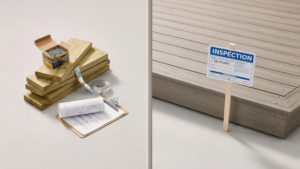
Electric radiant floor systems involve adding a dedicated circuit or expanding an existing one, and that electrical work is subject to local building code. In most Illinois municipalities — including many Cook County suburbs — electrical upgrades require a permit and inspection. Arlington Heights, for example, requires permits for new electrical circuits under its local amendments to the National Electrical Code.
Before any work starts, confirm with your village’s building department whether a permit is required for the electrical portion of the installation. A licensed contractor familiar with local requirements will handle this routinely, but it is worth asking directly so there are no surprises after the fact. Unpermitted electrical work creates complications when you sell the home.
Electric Radiant vs. Hydronic: What Homeowners Should Know
Hydronic radiant systems — which circulate hot water through tubing beneath the floor — are more efficient to operate over large areas but require a boiler or water heater connection and substantially more complex installation. For a single bathroom, the installation cost of a hydronic system almost never makes financial sense. The U.S. Department of Energy notes that electric systems are often more practical for remodels where only one or two rooms are being heated this way, and that assessment holds true for bathroom-specific projects in existing homes.
For most homeowners adding heated floors to a bathroom remodel, electric is the right system. It installs during the tile phase, works with a standard thermostat, and does not require any mechanical room modifications.
Integrating Heated Floors Into a Full Bathroom Remodel
The best time to add a radiant mat is during a bathroom remodeling project that already involves tile removal and replacement. Once the subfloor is exposed and the tile work is being planned, adding a heating mat is a straightforward additional step. Doing it as a standalone project — tearing up existing tile just to install the mat — adds significant labor cost and makes the math harder to justify.
If you are planning a full bathroom renovation that includes new tile flooring, ask your contractor to price the radiant system as an add-on during the initial estimate. The incremental cost at that stage is considerably lower than a separate project later, and you avoid disrupting the finished space a second time.
Setting Realistic Expectations
Heated bathroom floors do not return their cost through energy savings. They are not an investment in the financial sense — they are a quality-of-life upgrade, like a rainfall showerhead or better lighting. The question to ask is whether daily comfort during an Illinois winter is worth the installed cost and the modest monthly operating expense for your specific household.
For homeowners who use their master bathroom every day, have tile floors, and plan to stay in the house for several years, the answer is often yes. For a guest bath or a bathroom you are renovating primarily to sell, it is a lower priority. Be honest with yourself about how you use the space, and let that drive the decision rather than the idea that you are making a smart investment that pays back on paper.
Heated bathroom floors in Illinois make the most sense when three things line up: tile flooring, a bathroom you use every single day, and a remodel that is already opening up the floor assembly. In that scenario, the incremental cost is manageable, the operating expense is modest, and the daily comfort improvement during a cold Illinois winter is real and immediate. That is a straightforward case.The upgrade is harder to justify in secondary bathrooms, smaller spaces, or situations where the budget is already committed to higher-priority work. Aging-in-place considerations can shift that calculus — warm floors genuinely reduce the discomfort and hesitation that cold tile creates for people with joint pain or balance concerns, and that functional benefit matters beyond pure comfort.Get honest, itemized quotes from local contractors who know Cook County permit requirements and current labor rates. The national pricing you find online is a starting point at best, and your actual project cost depends on specifics that only a site visit can determine.