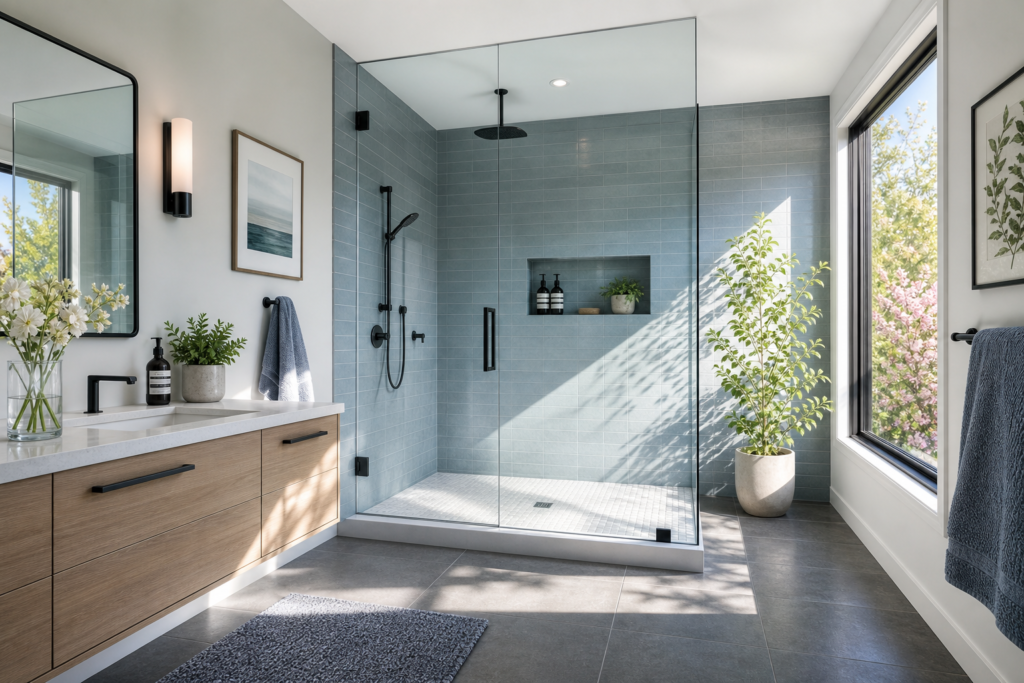
Choosing a new shower is one of the most important decisions you’ll make during a bathroom remodel. The right shower can transform your bathroom into a more functional, comfortable, and visually appealing space while increasing your home’s value. However, with so many options available—from walk-in showers and custom tile designs to prefabricated systems and luxury enclosures—it can be difficult to determine which solution best fits your needs.
Today’s homeowners are prioritizing bathrooms that combine style, convenience, and accessibility. According to the National Association of Home Builders (NAHB), walk-in showers have become one of the most requested bathroom features among homebuyers, reflecting a growing demand for modern and practical bathroom designs. Additionally, Houzz’s Bathroom Trends Study consistently shows that shower upgrades rank among the most popular bathroom renovation projects.
Whether you’re remodeling a small guest bathroom or creating a spa-like master suite, understanding your options can help you make a confident decision. In this guide, we’ll explore the key factors to consider when choosing the right shower for your bathroom remodel, including layout, materials, functionality, maintenance, and budget.
Start with Your Bathroom Size and Layout
Before selecting a shower style, it’s important to evaluate the size and layout of your bathroom. The available space will influence everything from shower dimensions to door styles and overall design possibilities.
In smaller bathrooms, maximizing floor space is often the priority. Corner showers, sliding glass doors, and streamlined designs can help create a more open feel without sacrificing functionality. For larger bathrooms, homeowners have greater flexibility to incorporate spacious walk-in showers, dual showerheads, built-in benches, and custom features.
According to the U.S. Census Bureau, the average newly constructed home now includes larger bathrooms than previous decades, reflecting the growing emphasis homeowners place on comfort and luxury. However, regardless of your bathroom’s size, careful planning is essential to ensure the shower fits comfortably within the space while maintaining proper clearance around other fixtures.
Understand the Different Types of Showers
One of the biggest decisions you’ll face is selecting the type of shower that best aligns with your lifestyle and goals.
Walk-In Showers
Walk-in showers have become increasingly popular because they offer a clean, modern appearance and exceptional accessibility. These showers often feature frameless glass enclosures, low-threshold entries, and spacious interiors that make the bathroom feel larger.
They are particularly beneficial for homeowners planning to age in place, as they eliminate the need to step over a bathtub wall. Walk-in showers are also easier to clean and maintain than traditional shower-tub combinations.
Shower-Tub Combos
For families with young children, a shower-tub combination may still be the most practical choice. Having at least one bathtub in the home can also appeal to future buyers, especially families who value the convenience of bathing children.
Custom Tile Showers
Custom tile showers provide the greatest level of design flexibility. Homeowners can choose from countless tile styles, colors, patterns, and configurations to create a unique look. Features such as recessed niches, benches, and decorative accents can further personalize the space.
While custom showers offer premium aesthetics, they generally require a larger investment and more ongoing maintenance than prefabricated systems.
Prefabricated Shower Systems
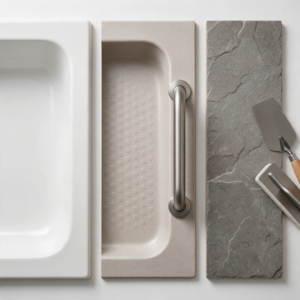
Prefabricated acrylic or fiberglass shower systems are often the most cost-effective option. These systems install quickly, require minimal maintenance, and are available in a wide range of styles. They can be an excellent choice for homeowners seeking affordability and durability.
Choose the Right Shower Material
The material you select will affect the appearance, durability, maintenance requirements, and cost of your new shower.
Ceramic and porcelain tile remain popular choices because of their versatility and long lifespan. According to the Tile Council of North America, properly installed tile can last for decades while maintaining its appearance and performance. Ceramic and porcelain also offer endless design possibilities, making them ideal for homeowners seeking a customized look.
Acrylic shower systems are another popular option due to their affordability and ease of maintenance. Unlike grout lines found in tile showers, acrylic surfaces are non-porous and resist mold and mildew growth, making cleaning much simpler.
Natural stone can create a luxurious spa-like appearance but typically requires more maintenance and a higher budget. Homeowners considering stone should be prepared for periodic sealing and specialized care.
Think About Accessibility and Long-Term Needs
When choosing a shower, it’s important to think beyond your current needs and consider how your lifestyle may change in the future.
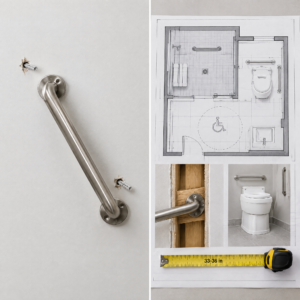
According to AARP, nearly 90% of adults over age 65 want to remain in their homes as they age, making accessibility a growing priority for homeowners. Features such as curbless entries, grab bars, handheld showerheads, and built-in seating can improve safety while maintaining a stylish appearance.
Even if accessibility isn’t currently a concern, incorporating these features during a remodel can help future-proof your bathroom and potentially increase resale appeal.
Consider Comfort and Functionality Features
Modern showers offer a variety of features that can significantly enhance the user experience.
Built-in benches provide a convenient place to sit while showering and can be especially beneficial for older adults. Recessed niches create practical storage space for shampoos, soaps, and personal care products without cluttering the shower floor.
Rainfall showerheads have become increasingly popular for their luxurious feel, while handheld showerheads offer flexibility and convenience. Some homeowners also choose body sprays, steam systems, and digital controls to create a spa-like environment.
According to Houzz’s Bathroom Trends Study, luxury shower features remain among the most desired upgrades during bathroom renovations.
Understand the Costs Involved
Budget plays a significant role in determining the right shower for your remodel.
Basic shower replacements using prefabricated systems often range from $5,000 to $10,000, depending on labor and materials. Mid-range projects featuring upgraded fixtures, glass enclosures, and tile accents may cost between $10,000 and $15,000.
Custom tile showers with premium finishes, frameless glass, built-in features, and extensive plumbing modifications can exceed $20,000 or more.
When evaluating costs, it’s important to consider both the initial investment and long-term maintenance requirements. A lower upfront cost may not always provide the best long-term value if repairs or replacements become necessary sooner.
Common Mistakes to Avoid
Many homeowners make the mistake of focusing solely on appearance while overlooking functionality. While aesthetics are important, the shower should also meet your daily needs and fit comfortably within your bathroom layout.
Another common mistake is selecting materials without considering maintenance requirements. Certain materials may look beautiful initially but require significantly more upkeep over time.
Failing to plan for future accessibility needs is another oversight that can lead to costly renovations later. Incorporating accessibility-friendly features during the initial remodel is often far more affordable than making changes years down the road.
Finally, choosing the cheapest option available may result in lower-quality materials, reduced durability, and shorter product lifespans.
Conclusion
Choosing the right shower for your bathroom remodel involves much more than selecting a style you like. The best shower should complement your bathroom layout, fit your budget, support your lifestyle, and provide long-term value.
Whether you prefer the sleek appearance of a walk-in shower, the versatility of a shower-tub combination, or the luxury of a custom tile design, taking the time to evaluate your options carefully can help ensure a successful remodeling project.
By considering factors such as size, materials, accessibility, functionality, and maintenance, you’ll be able to create a shower that not only looks beautiful but also serves your needs for years to come.
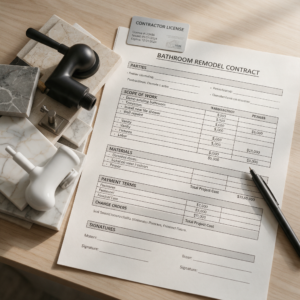
If you’re planning a bathroom remodel, working with an experienced contractor can help you navigate the decision-making process and select the ideal shower solution for your home.
Frequently Asked Questions About Choosing a Shower for a Bathroom Remodel
What type of shower is best for a bathroom remodel?
The best shower depends on your bathroom size, budget, and lifestyle. Walk-in showers are popular for their modern appearance, accessibility, and ease of maintenance, while shower-tub combinations remain a practical choice for families.
Should I choose a walk-in shower or a bathtub?
Walk-in showers offer greater accessibility and a contemporary design. However, many homeowners choose to keep at least one bathtub in the home to appeal to future buyers and accommodate young children.
What is the most durable shower material?
Porcelain tile, ceramic tile, acrylic, and solid-surface materials are among the most durable shower options. The best choice depends on your budget, maintenance preferences, and design goals.
How much does a new shower cost during a bathroom remodel?
The cost of a new shower can range from approximately $5,000 for a basic replacement to $20,000 or more for a custom shower with premium materials, glass enclosures, and luxury features.