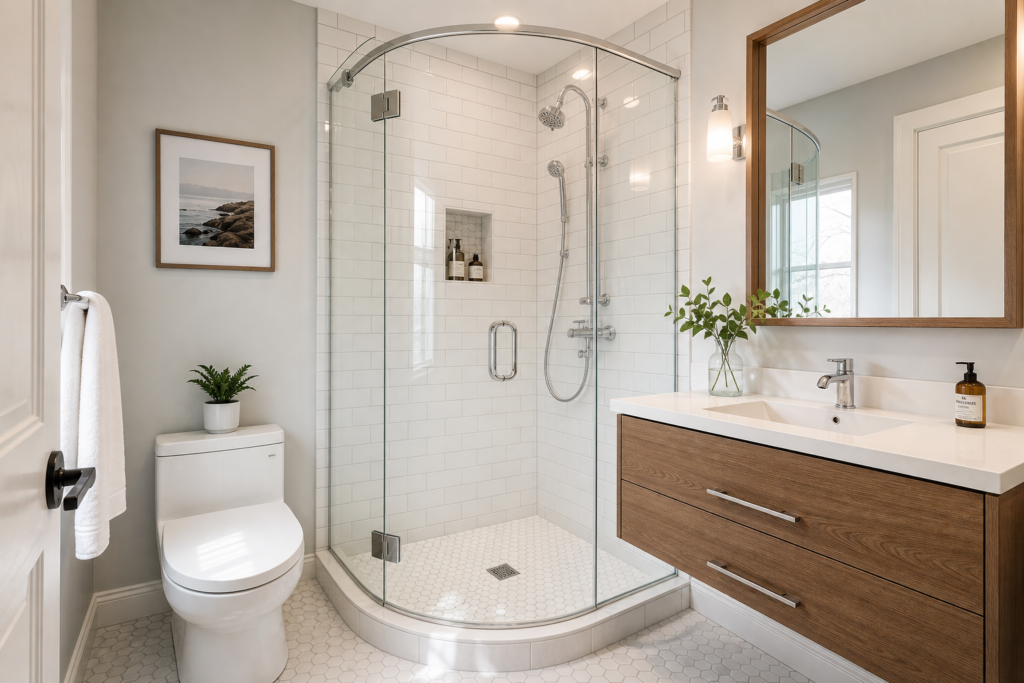
A bathroom remodel is one of the most rewarding home improvement projects you can undertake. Whether you’re updating an outdated space, improving functionality, increasing accessibility, or boosting your home’s value, a well-planned renovation can dramatically transform your daily routine.
However, many homeowners begin the remodeling process without fully understanding what to expect. Questions about timelines, costs, permits, construction disruptions, and design decisions are common—especially in the Chicago suburbs, where older homes, local building codes, and seasonal weather can all influence a project’s scope and schedule.
According to the National Association of Realtors, bathroom renovations consistently rank among the home improvements with the highest homeowner satisfaction rates. Yet achieving a successful outcome requires proper planning and realistic expectations from the very beginning.
If you’re considering a bathroom remodel in the Chicago suburbs, this guide will walk you through each phase of the process so you can feel confident and prepared every step of the way.
Why Homeowners Remodel Their Bathrooms
There are many reasons homeowners choose to renovate their bathrooms. Some want to modernize outdated finishes and fixtures, while others need more storage, improved functionality, or accessibility features for aging in place.
In the Chicago suburbs, many homes were built decades ago and may still have original bathrooms that no longer meet modern expectations. Common issues include worn flooring, outdated plumbing fixtures, limited storage, inefficient layouts, and aging bathtubs or showers.
A bathroom remodel provides an opportunity to address these concerns while creating a more comfortable and attractive space that better fits your lifestyle.
Step 1: Initial Consultation and Planning
Every successful bathroom remodel begins with careful planning.
During the initial consultation, you’ll discuss your goals, budget, timeline, and design preferences with your remodeling contractor. This stage is critical because it helps establish realistic expectations and ensures everyone is aligned before construction begins.
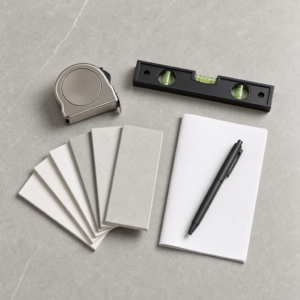
Your contractor will evaluate the existing bathroom, take measurements, and identify any potential challenges such as outdated plumbing, water damage, or structural concerns. In older Chicago-area homes, uncovering hidden issues during this stage can help prevent costly surprises later.
Many homeowners also use this phase to explore design ideas, material selections, and layout improvements.
Step 2: Design and Material Selection
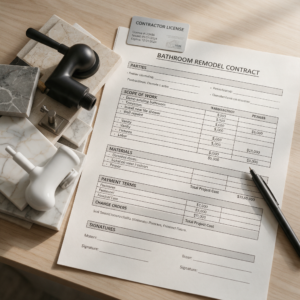
Once the project scope has been established, it’s time to select materials and finalize the design.
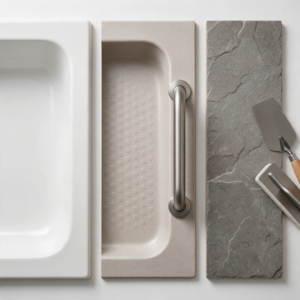
This is often one of the most exciting parts of the remodeling process. Homeowners can choose from a wide range of options, including:
- Tile styles and patterns
- Vanities and countertops
- Shower systems
- Bathtubs
- Lighting fixtures
- Faucets and hardware
- Flooring materials
- Paint colors
Material availability can sometimes impact project timelines. Custom products, specialty finishes, and imported materials may require additional lead times, so it’s important to finalize selections as early as possible.
Making these decisions before construction begins helps minimize delays and keeps the project moving efficiently.
Step 3: Permits and Approvals
Depending on the scope of your remodel, permits may be required before work can begin.
Projects involving plumbing, electrical updates, structural modifications, or significant layout changes often require permits from local municipalities. Building requirements can vary among Chicago suburbs, so working with a knowledgeable contractor is essential.
If you live in a condominium or townhome community, additional approvals from a homeowners association (HOA) may also be necessary.
While permits can add time to the planning process, they help ensure that all work meets local building codes and safety standards.
Step 4: Demolition and Preparation
Once permits are secured and materials have arrived, demolition can begin.
This phase typically involves removing old fixtures, flooring, tile, vanities, and other existing components. While demolition may seem straightforward, it often reveals hidden conditions behind walls and beneath floors.
In older Chicago suburban homes, contractors occasionally discover:
- Water damage
- Mold
- Outdated plumbing
- Electrical issues
- Structural deterioration
Addressing these problems early helps protect the long-term success of the renovation and ensures your new bathroom is built on a solid foundation.
Step 5: Plumbing, Electrical, and Structural Work
After demolition, contractors begin addressing the systems behind the walls.
If your remodel includes relocating a shower, bathtub, toilet, or vanity, plumbing modifications may be required. Electrical upgrades may also be necessary to support new lighting, exhaust fans, outlets, or heated flooring systems.
This stage often represents one of the most important parts of the remodel because it lays the groundwork for everything that follows.
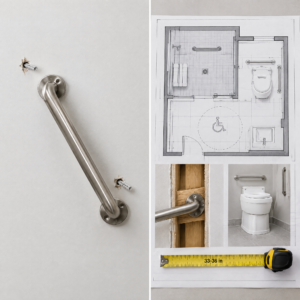
For homeowners adding accessibility features, this phase may also include reinforcing walls for grab bars or expanding doorways to improve mobility.
Step 6: Installation and Construction
Once the rough plumbing and electrical work are complete, construction begins to take shape.
During this phase, contractors install:
- Drywall
- Waterproofing systems
- Flooring
- Tile
- Showers and tubs
- Vanities
- Countertops
- Fixtures
- Lighting
This is often the stage where homeowners see the most visible progress and begin to envision the finished result.
Proper waterproofing is especially important in bathrooms. High-quality waterproofing systems help prevent future moisture damage, mold growth, and costly repairs.
Step 7: Final Touches and Inspection
As the project nears completion, contractors focus on finishing details.
This includes:
- Painting
- Hardware installation
- Mirror placement
- Fixture adjustments
- Caulking and sealing
- Final cleaning
If permits were required, final inspections may also be scheduled to verify that the work meets local building codes.
Before the project is considered complete, your contractor should perform a walkthrough with you to ensure everything meets expectations and address any remaining questions.
How Long Does a Bathroom Remodel Take?
One of the most common questions homeowners ask is how long the process will take.
While every project is different, most bathroom remodels in the Chicago suburbs take approximately:
- Small bathroom updates: 1–2 weeks
- Standard bathroom remodels: 2–4 weeks
- Full bathroom renovations: 4–8 weeks
- Large custom projects: 8+ weeks
Factors that can influence timelines include material availability, permit approvals, weather conditions, and the discovery of hidden issues during demolition.
Working with an experienced contractor and making design decisions early can help keep the project on schedule.
Common Challenges Homeowners Should Expect
Even well-planned remodeling projects can encounter unexpected challenges.
Some of the most common include:
- Hidden water damage
- Plumbing upgrades
- Material backorders
- Permit delays
- Structural repairs
- Budget adjustments
The key is maintaining open communication with your contractor throughout the project and being prepared for minor schedule adjustments if unexpected issues arise.
Tips for a Smooth Bathroom Remodeling Experience
Preparation can make a significant difference in the success of your remodel.
Before construction begins:
- Finalize material selections early
- Establish a realistic budget
- Prepare for temporary bathroom disruptions
- Discuss timelines with your contractor
- Set aside a contingency fund for unexpected expenses
Most experts recommend reserving an additional 10% to 20% of your budget for unforeseen conditions that may arise during construction.
Conclusion
Understanding what to expect during a bathroom remodel in the Chicago suburbs can help reduce stress and ensure a smoother renovation experience. From the initial consultation and design phase to construction and final inspections, each step plays an important role in creating a bathroom that is beautiful, functional, and built to last.
While unexpected challenges can occasionally arise, proper planning and working with an experienced remodeling contractor can help keep your project on track. Whether you’re updating a guest bathroom, creating a luxury master suite, or adding accessibility features for aging in place, a well-executed bathroom remodel is an investment that can improve your home’s comfort, value, and functionality for years to come.
Frequently Asked Questions About ADA Bathroom Remodeling
How long does a bathroom remodel take in the Chicago suburbs?
Most bathroom remodels take between 2 and 8 weeks depending on the project’s size, complexity, permit requirements, and material availability.
Do I need permits for a bathroom remodel?
Permits are often required for plumbing, electrical, or structural modifications. Requirements vary by municipality throughout the Chicago suburbs.
Can I use my bathroom during the remodel?
In most cases, the bathroom being renovated will be unavailable during construction. Homeowners should plan to use an alternate bathroom if possible.
What is the average cost of a bathroom remodel in the Chicago suburbs?
Bathroom remodel costs vary widely depending on size, materials, and project scope. Many homeowners invest between $10,000 and $30,000 or more for a professionally completed renovation.