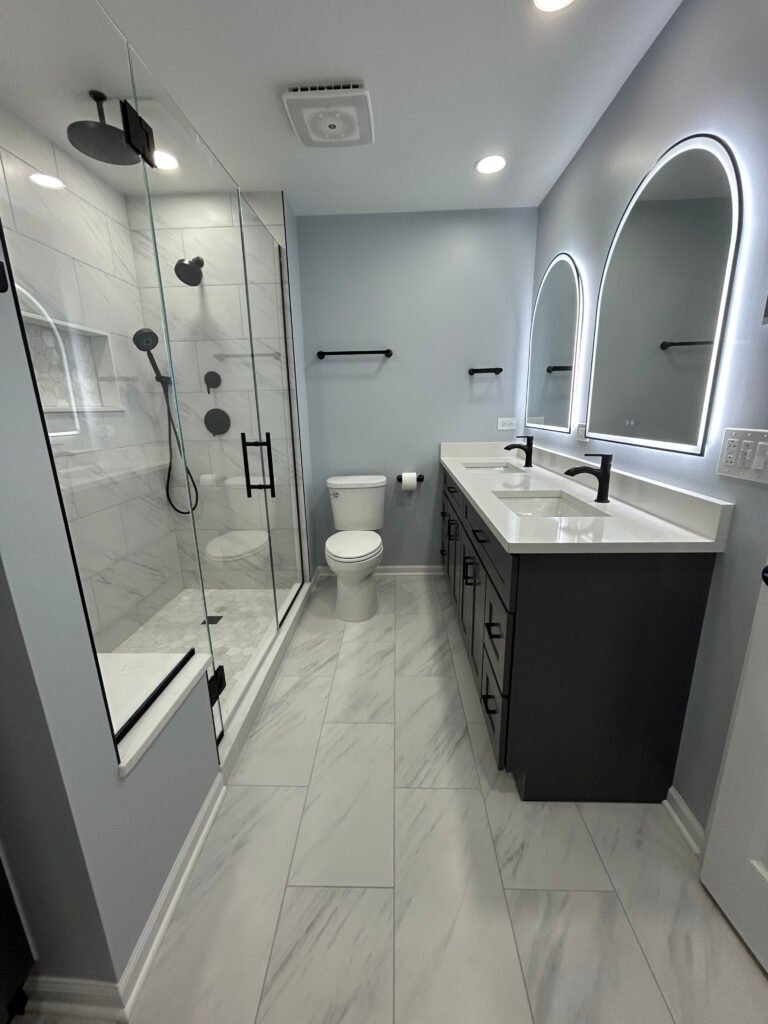
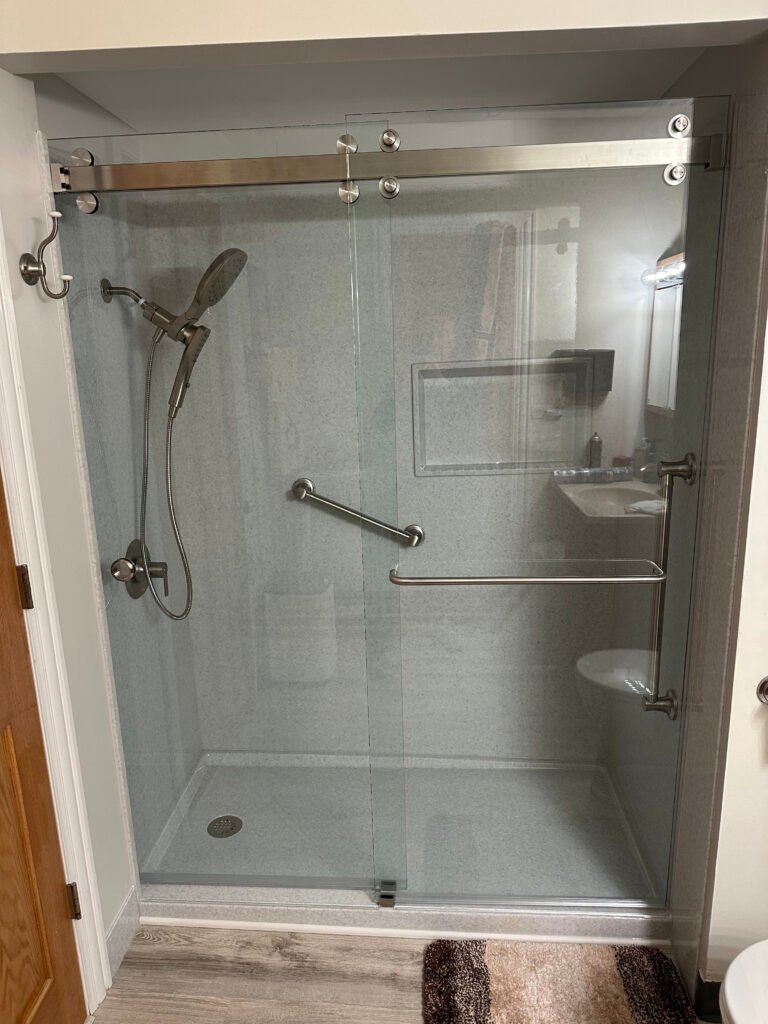
Professionally designed bathroom conversions that prioritize mobility, structural reinforcement, and ADA-informed layout planning.


An ADA bathroom conversion is the process of modifying an existing bathroom to improve accessibility, maneuverability, and safety based on Americans with Disabilities Act (ADA) dimensional guidelines and mobility-conscious design principles.
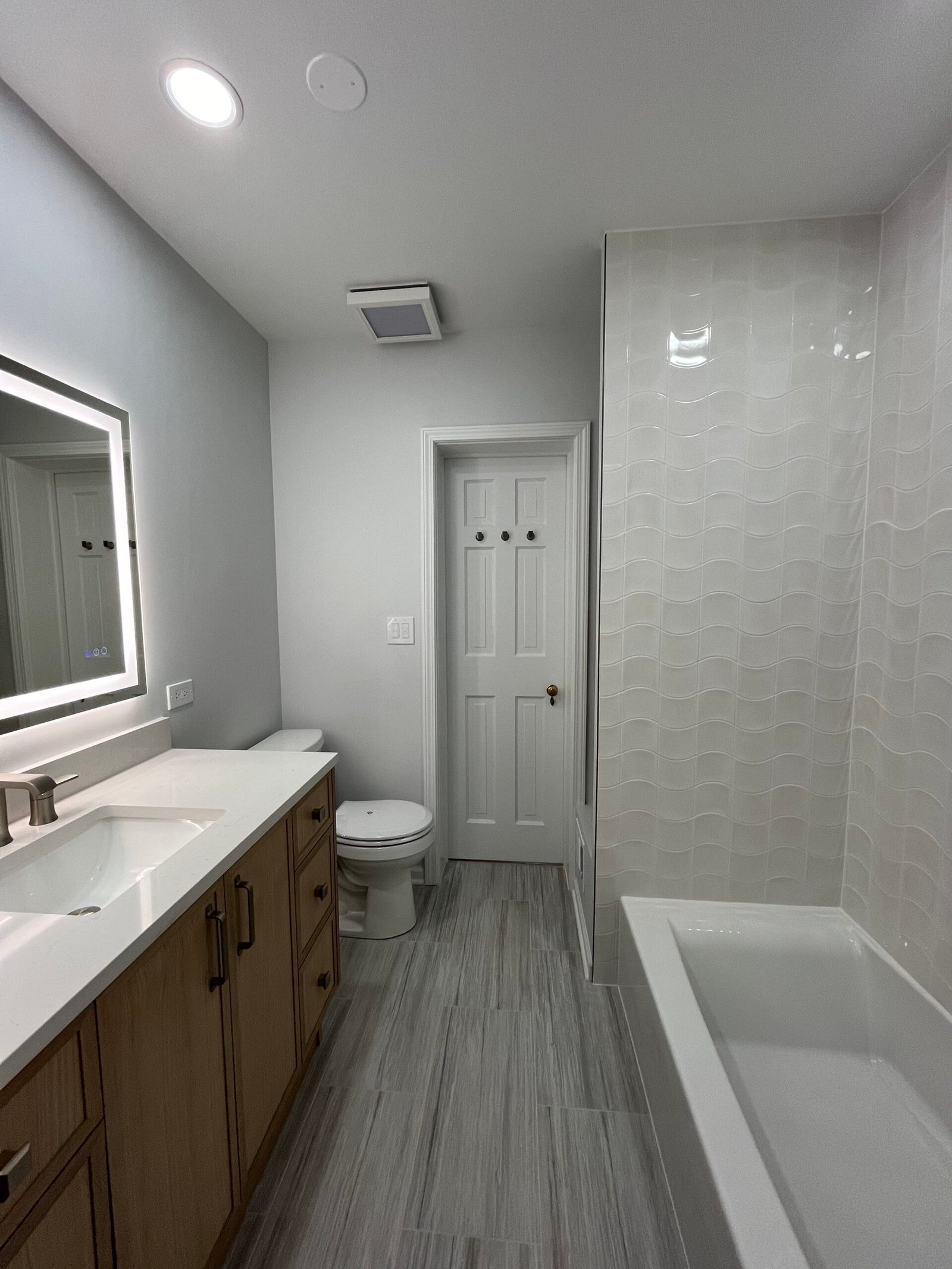
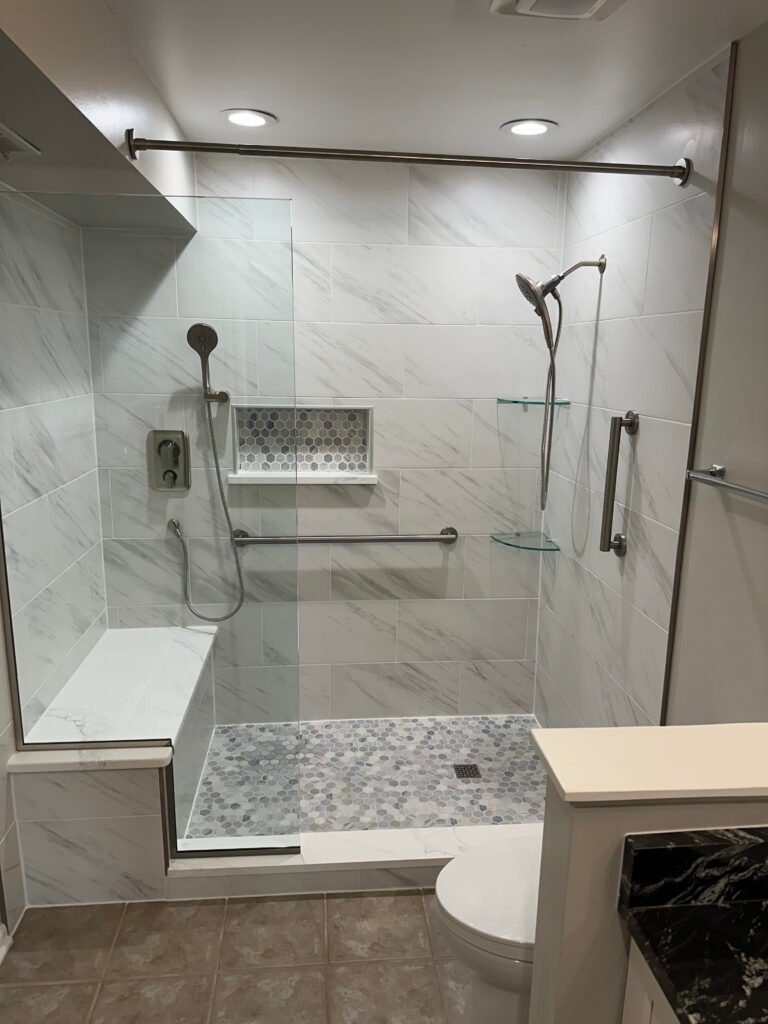
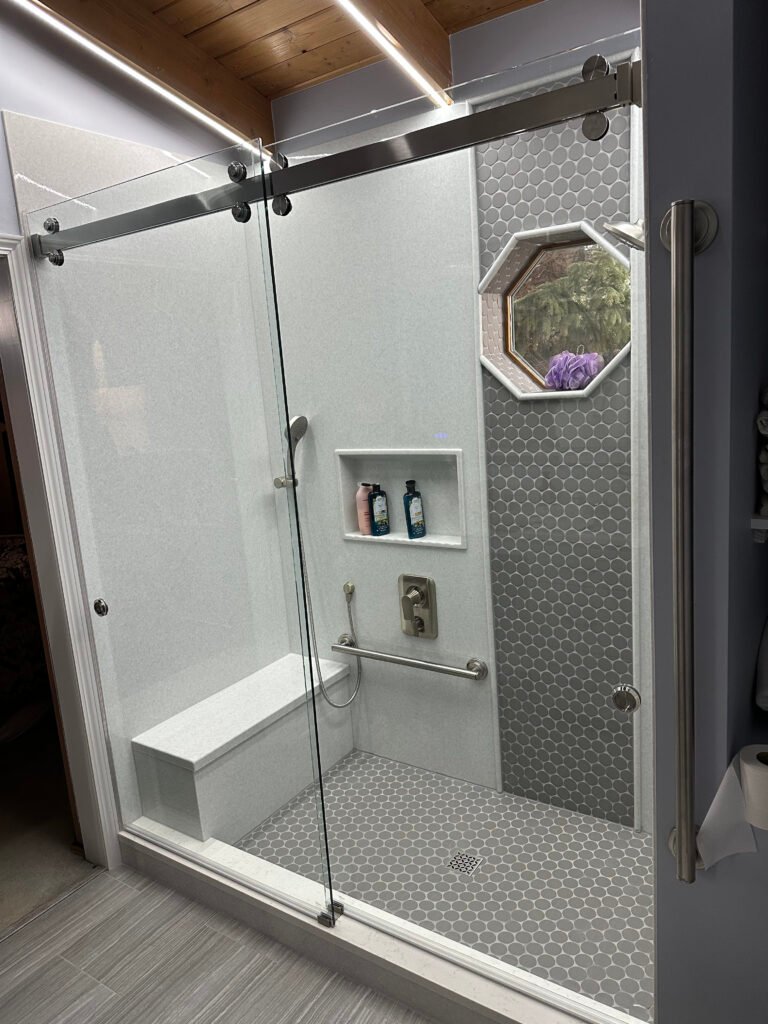
In residential settings, ADA-informed remodeling may include widened clearances, reinforced grab bar installation, low-threshold shower systems, comfort-height fixtures, and improved floor traction.
Unlike cosmetic updates, ADA bathroom conversions focus on spatial planning, structural reinforcement, and fixture placement to reduce fall risk and improve usability for individuals with mobility challenges.
When executed professionally, accessible bathroom remodeling enhances independence without sacrificing design quality.

ADA-conscious bathroom remodeling requires careful coordination of space, structure, and fixture positioning.
Our ADA bathroom conversion services may include:
Every project begins with an On-Site Project Evaluation to assess mobility requirements, layout feasibility, and structural limitations.
For homeowners planning broader improvements, ADA bathroom conversions can be integrated into a full Accessibility & ADA Bathroom Remodeling strategy or coordinated with a complete Bathroom Remodeling project.
Assessment of turning radius, doorway width, and fixture spacing.
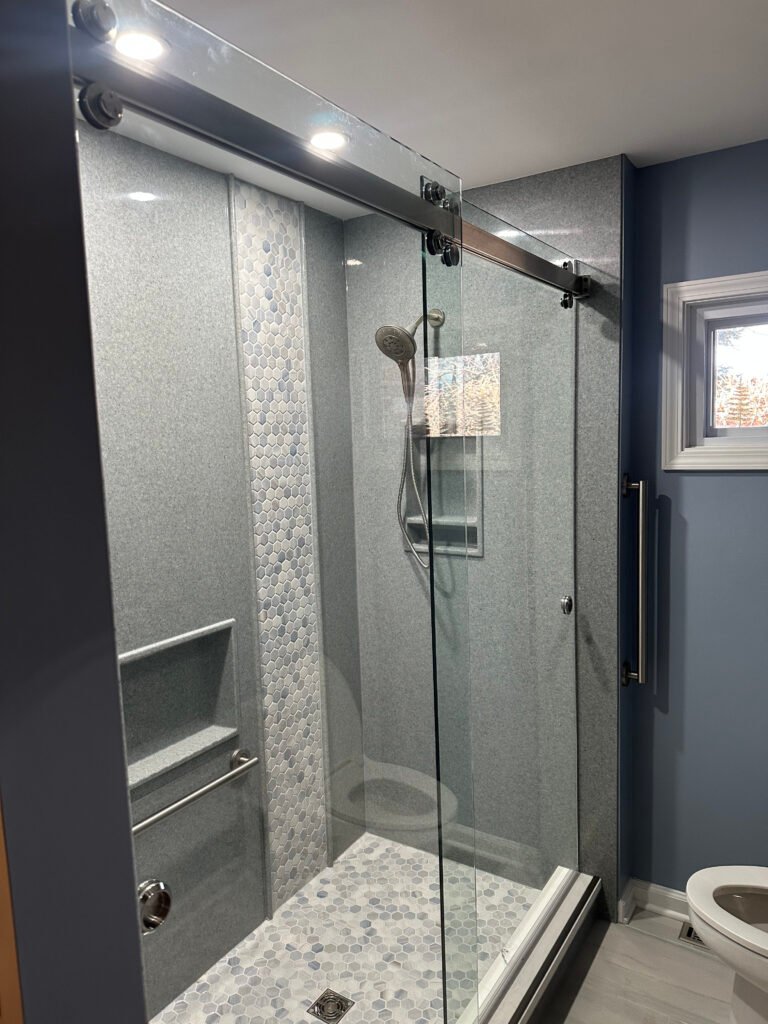
Installation of backing within walls to support grab bars and safety equipment.
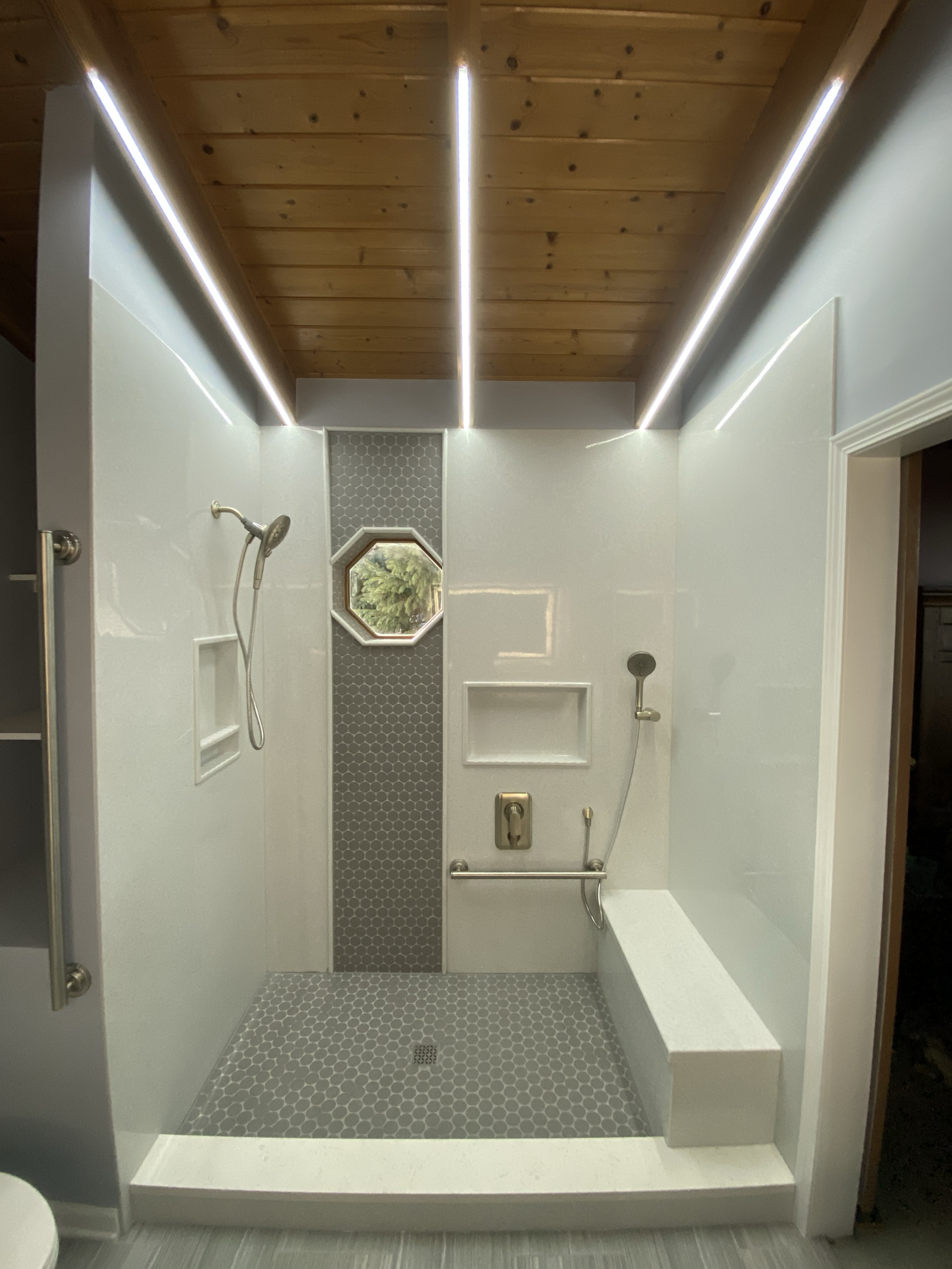
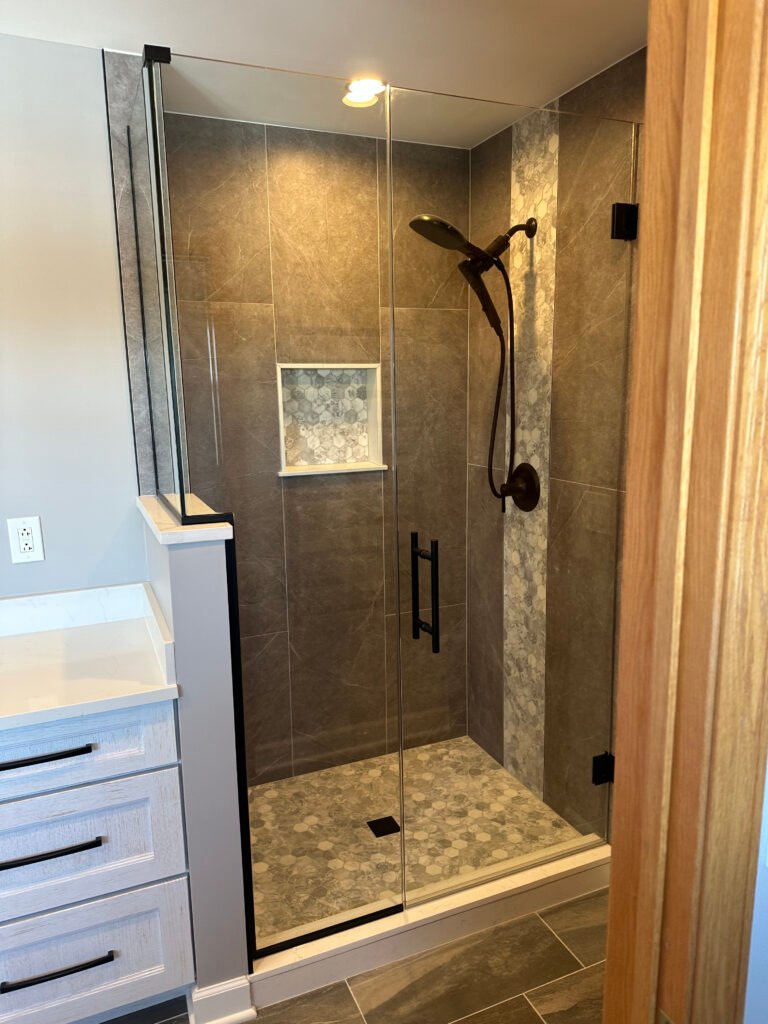
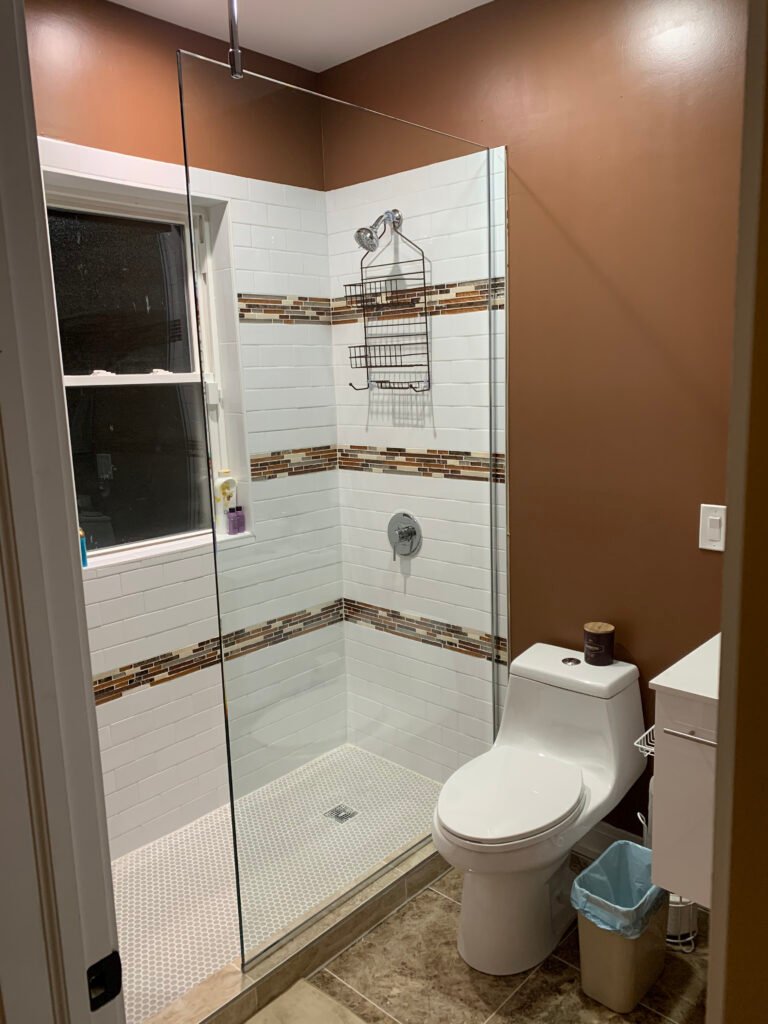
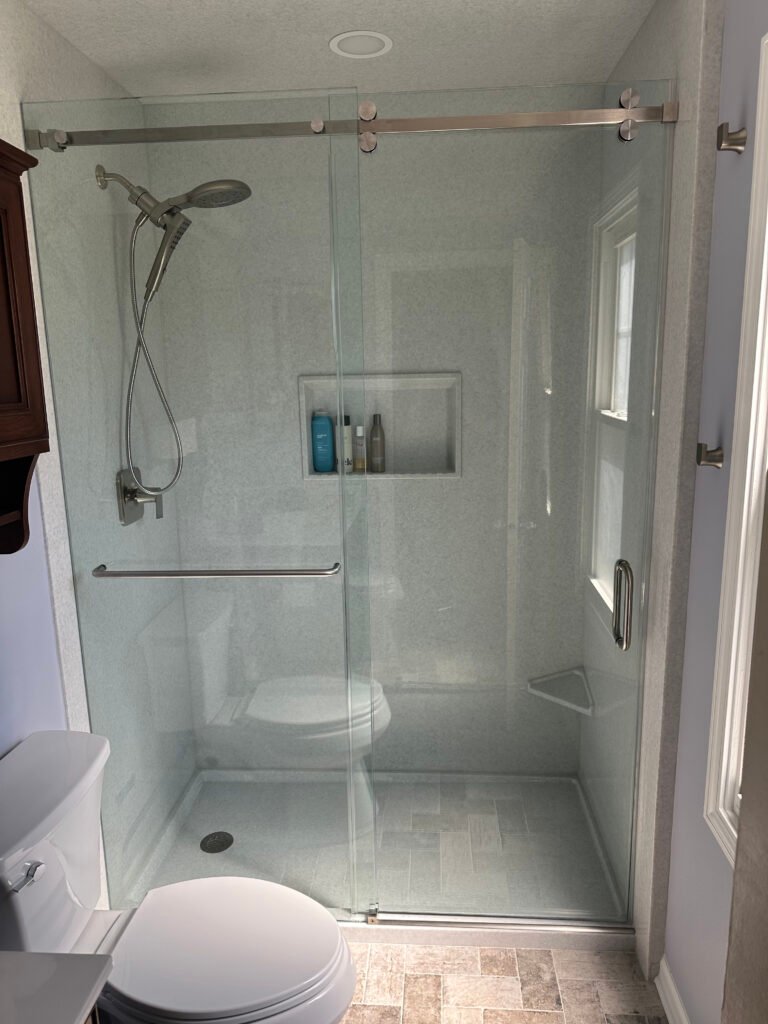
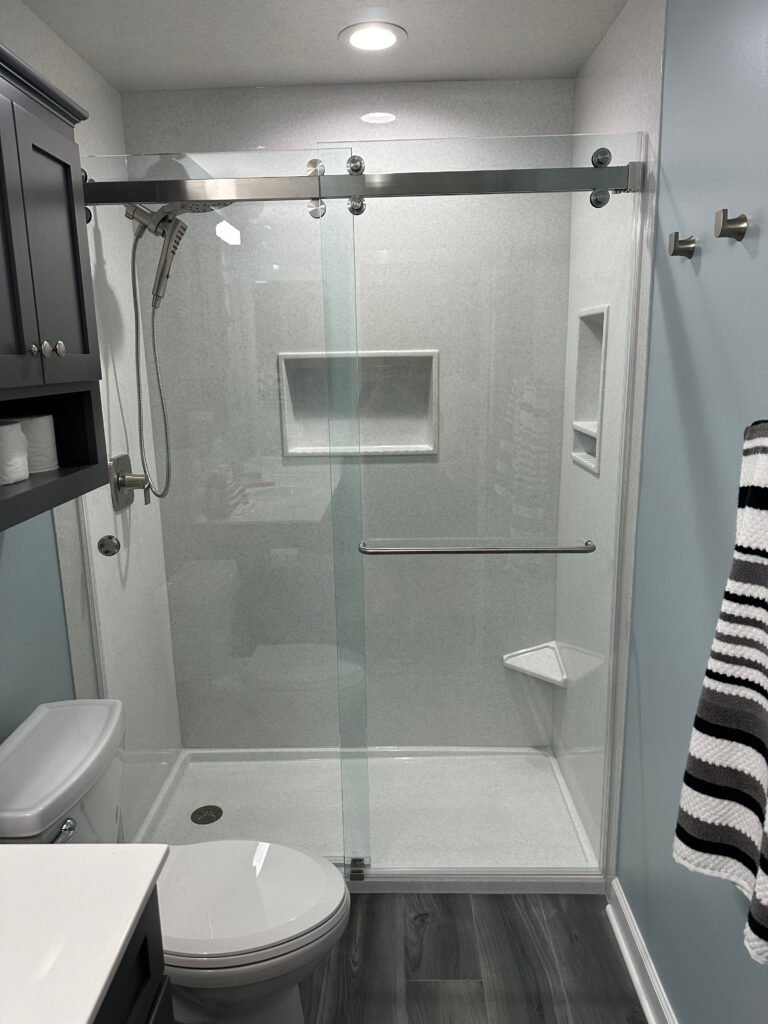
Low or zero-threshold showers designed for easier entry and mobility device access.
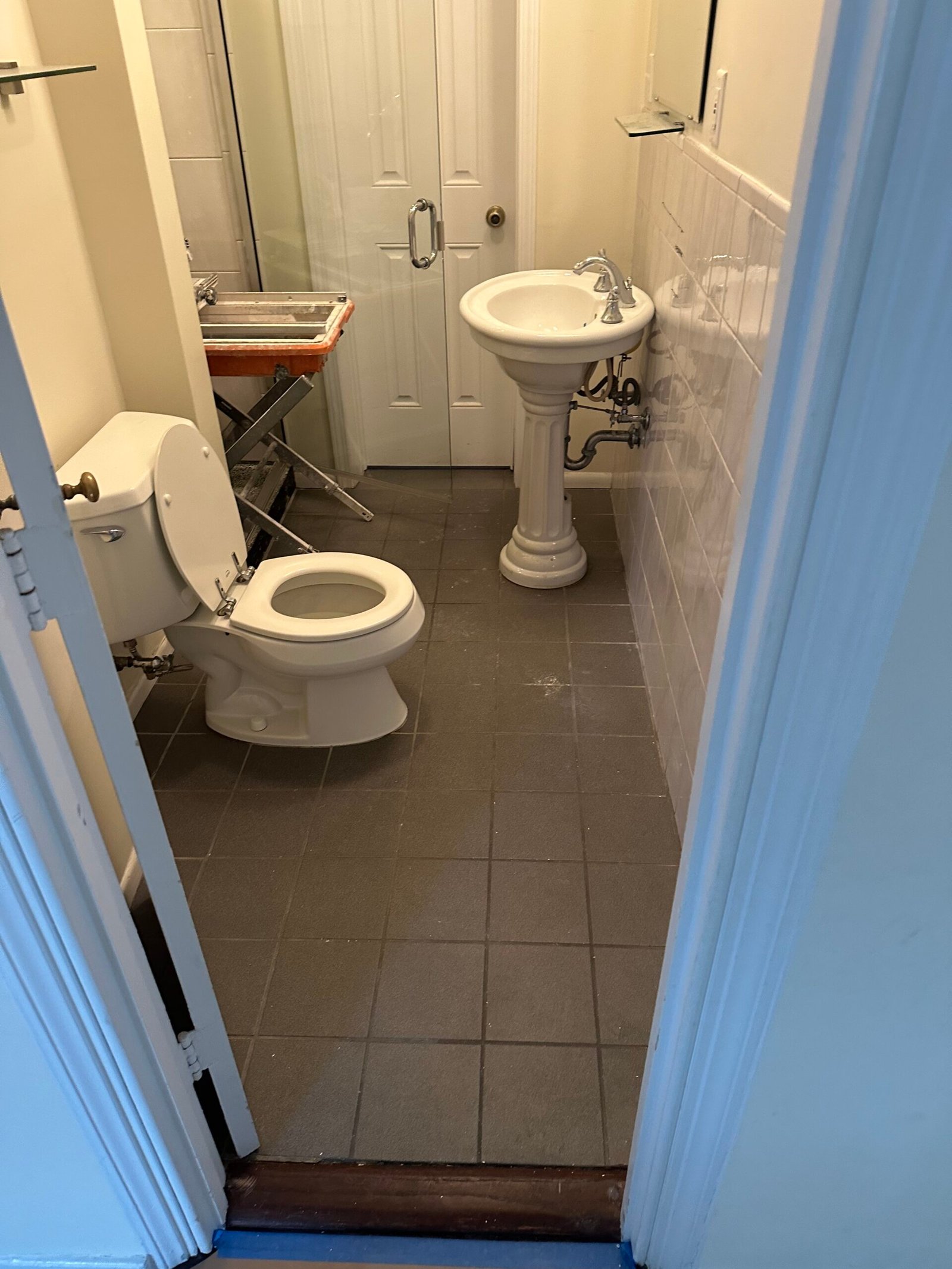
Installation of comfort-height toilets, vanities, and accessible controls.
Flooring materials selected to reduce fall risk in high-moisture areas.
Consideration of ADA dimensional guidelines when designing residential spaces.


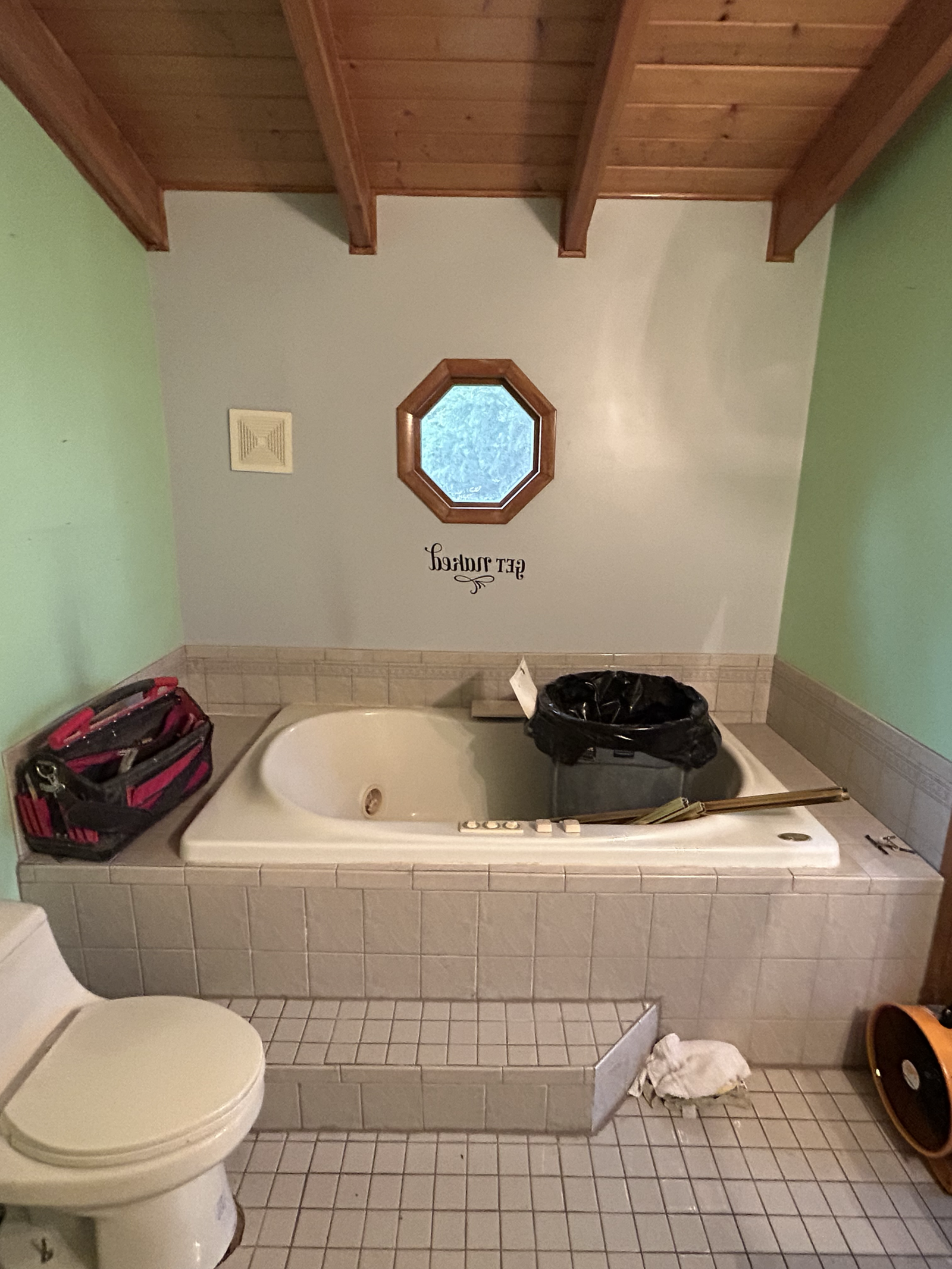
Replacement of traditional bathtubs with accessible walk-in shower systems designed for safer entry and exit.


Comprehensive bathroom renovations integrating layout planning and material coordination.


Grab bars, improved lighting, non-slip flooring, and mobility-conscious enhancements designed for long-term comfort.

Improper accessibility modifications can create safety hazards rather than prevent them.
Common risks of non-professional installations include:
Professional ADA bathroom remodeling requires:
Accessibility features must be structurally integrated — not added superficially.
We assess mobility needs, spatial layout, and structural feasibility.
ADA-conscious bathroom conversions, barrier-free shower systems, and mobility-focused upgrades.
All safety features are installed with reinforced anchoring and moisture-conscious execution.
We verify that layout, fixture placement, and structural components align with design and safety goals.
Residential bathrooms are not typically required to meet full ADA commercial standards. However, ADA-informed design principles can improve accessibility and safety.
Key features often include reinforced grab bars, barrier-free shower entry, adequate clearances, and slip-resistant flooring.
Yes. Modern accessible bathroom design integrates safety features seamlessly with coordinated materials and clean layouts.
In many cases, yes. Wall reinforcement and plumbing adjustments may be necessary to support long-term safety.
Timelines vary depending on the scope of modifications and structural adjustments required. A detailed timeline is provided during consultation.
If you are planning an ADA-informed bathroom conversion or accessible remodeling project, the first step is a professional evaluation of your space and mobility needs.